Helm vs Xola: operations beyond the booking
Xola is built around conversion optimization — abandoned cart recovery, dynamic pricing, and checkout analytics. Helm is built around what happens after conversion: scheduling guides, coordinating teams, and executing tours.
Helm is tour operations software — scheduling, OTA sync, and team coordination in one platform.
$500M+
in bookings processed through Xola annually
Xola.com
0
guide scheduling features in Xola
€50/mo
flat price for Helm Growth — no per-booking fees
| Feature | Helm | Xola |
|---|---|---|
| Online booking engine | ||
| Abandoned cart recovery | ||
| Conversion analytics | ||
| Dynamic pricing & coupons | ||
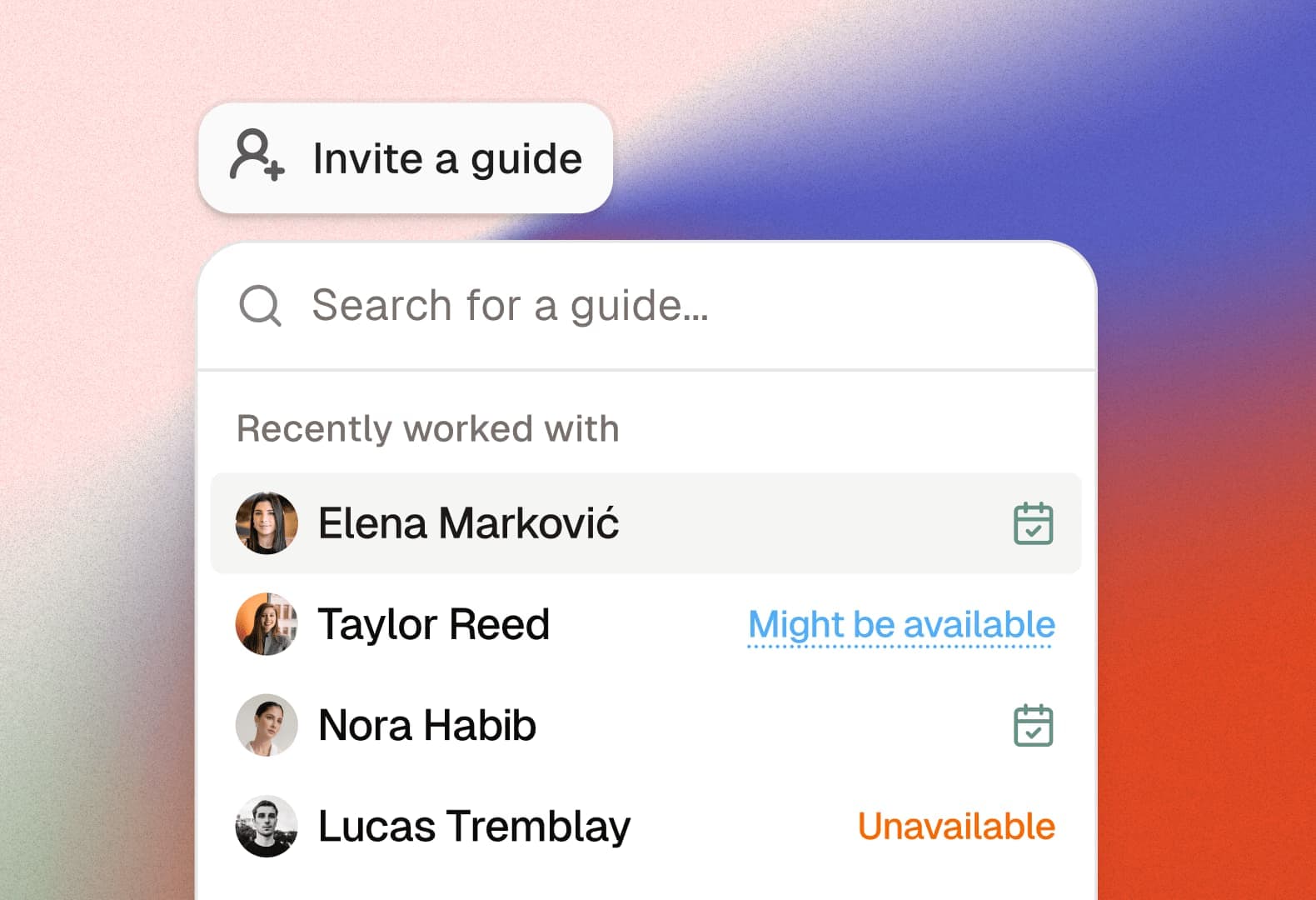
| Guide scheduling & assignment | ||
| Guide qualification matching | ||
| Last-minute change cascading | ||
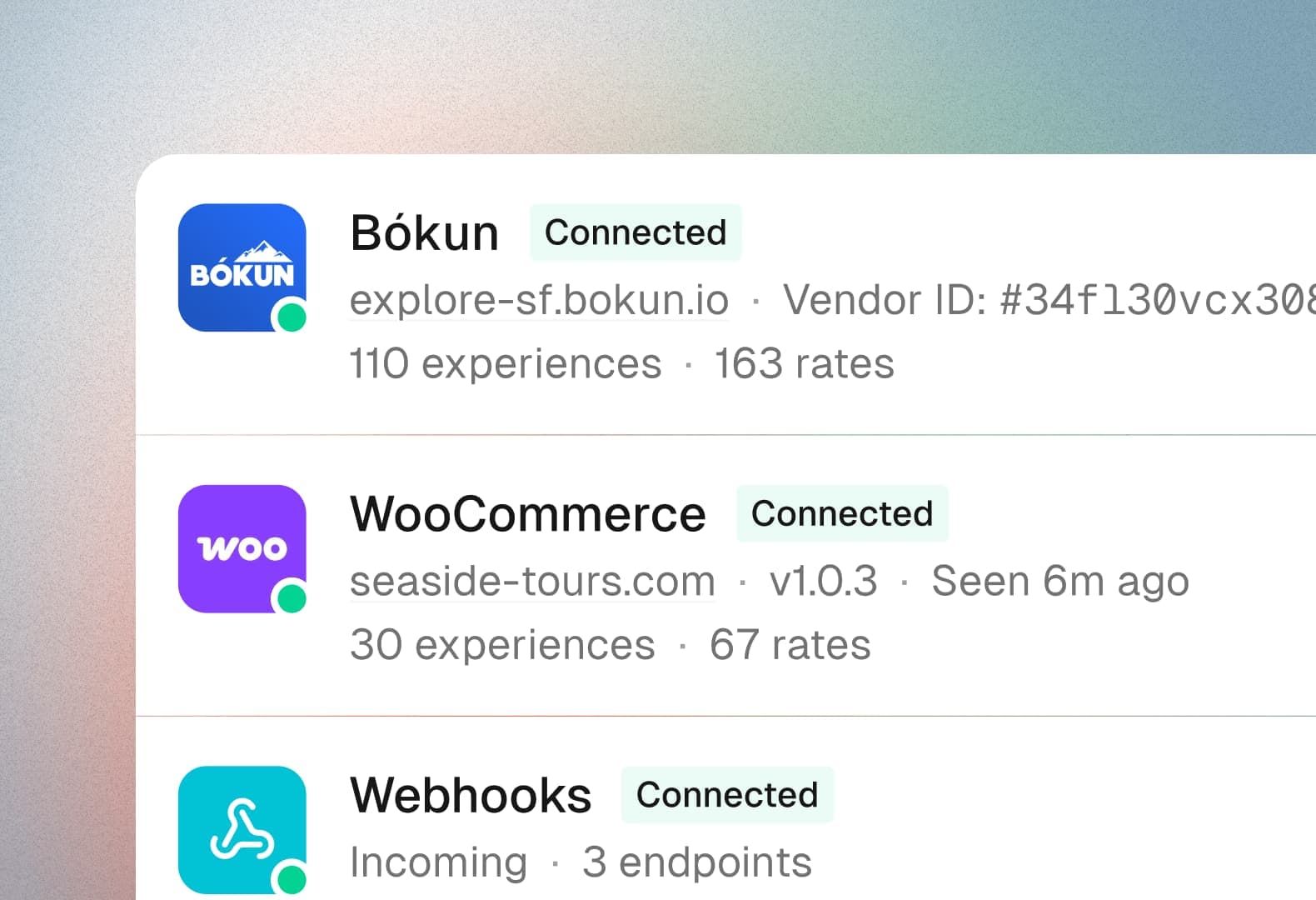
| Multi-OTA operations calendar | ||
| Team coordination & notifications | ||
| Free plan | Yes (2 seats) | No (commission-based) |
The bottom line
Xola is a booking platform that excels at converting website visitors into paying customers — abandoned cart recovery alone reportedly recovers thousands in lost revenue for operators. Helm excels at the next step: making sure those customers have a guide, the guide is qualified, and the whole team is coordinated. If you use Xola for bookings, Helm is the operations layer that handles everything from confirmation to execution.
Conversion and execution are two different challenges
Xola has carved out a niche in the booking platform space by focusing obsessively on conversion. Their abandoned cart recovery feature sends automated follow-up emails to customers who start but don't finish a booking — a tactic borrowed from e-commerce that works surprisingly well for tour operators. Combined with dynamic pricing, coupon management, and checkout analytics, Xola is designed to maximize the revenue from your website traffic.
But maximizing bookings creates an operational challenge. More bookings mean more tours to staff, more guides to coordinate, and more potential for scheduling conflicts. Xola doesn't address this side of the equation. Its resource management is limited to basic capacity controls — so you don't oversell a time slot. Who actually runs the tour, whether they're qualified, and how to handle the inevitable last-minute changes? That's on you.
This is where the tools diverge completely. Xola's intelligence is pointed at the customer: what price will convert, when to send the cart recovery email, which checkout flow performs best. Helm's intelligence is pointed at the team: which guide is qualified and available, what happens to the schedule when someone cancels, how to notify the right people about changes. They're analyzing different data for different stakeholders.
For operators using Xola, adding Helm means the increased booking volume from better conversion actually translates into well-executed tours. Without an operations layer, more bookings often means more chaos — more WhatsApp messages, more spreadsheet updates, more scheduling conflicts. Helm absorbs that complexity so your operations scale as smoothly as your revenue.
Stop managing your tours from a spreadsheet and a group chat—there's a better way.






Helm replaces the patchwork of tools tour operators rely on with one purpose-built platform for everything that happens after a booking.
Try Helm for free
Frequently asked questions
Related pages
Ready to replace the patchwork?
Start for free with 2 team seats. No credit card required.