Helm vs spreadsheets for tour operations
Google Sheets is free, flexible, and familiar. Purpose-built operations software adds automation, conflict detection, and OTA sync. Here's how the two approaches compare as your operation grows.
Helm is tour operations software — scheduling, OTA sync, and team coordination in one platform.
73%
of tour operators still use spreadsheets for scheduling
Arival, 2024
4.2h
weekly time spent managing scheduling spreadsheets
9 in 10
scheduling errors traced back to manual data entry
| Feature | Helm | Google Sheets / Excel |
|---|---|---|
| Real-time OTA booking sync | ||
| Automatic conflict detection | Basic | |
| Guide notification & confirmation | ||
| Change impact analysis | ||
| Google Calendar sync | Manual | |
| Completely customizable | ||
| No learning curve | ||
| Free | Free plan (2 seats) | |
| Multi-user real-time editing |
The bottom line
Spreadsheets are flexible and free. For a solo operator with 2 guides and 3 tours a week, they work fine. But the moment you scale — more guides, more OTAs, more daily departures — the spreadsheet becomes the thing that breaks first. No conflict detection, no notifications, no automatic sync with bookings. Helm replaces the spreadsheet with an operations system that scales with your business.
Why spreadsheets break at scale
Every tour operator starts with a spreadsheet. It's free, it's flexible, and it's familiar. A simple grid with dates across the top, guides down the side, and tour names in the cells. It works beautifully — until it doesn't.
The breaking point usually comes around 10 guides and 5 daily departures. At that scale, the spreadsheet becomes the full-time job. You spend Monday morning updating last week's bookings that came in over the weekend. You cross-reference three tabs to check if a guide is double-booked. You send WhatsApp messages to confirm assignments, then manually update the spreadsheet when they respond. One missed update, and you're sending two guides to the same tour while another tour has nobody.
The core problem is that spreadsheets don't understand your data. A cell that says 'Maria' next to 'Montmartre Walking Tour' means nothing to the spreadsheet. It doesn't know that Maria doesn't speak Japanese, that the Montmartre tour has 12 people booked through Viator, or that you already assigned Maria to the 3 PM food tour that runs until 6. You have to track all of that in your head.
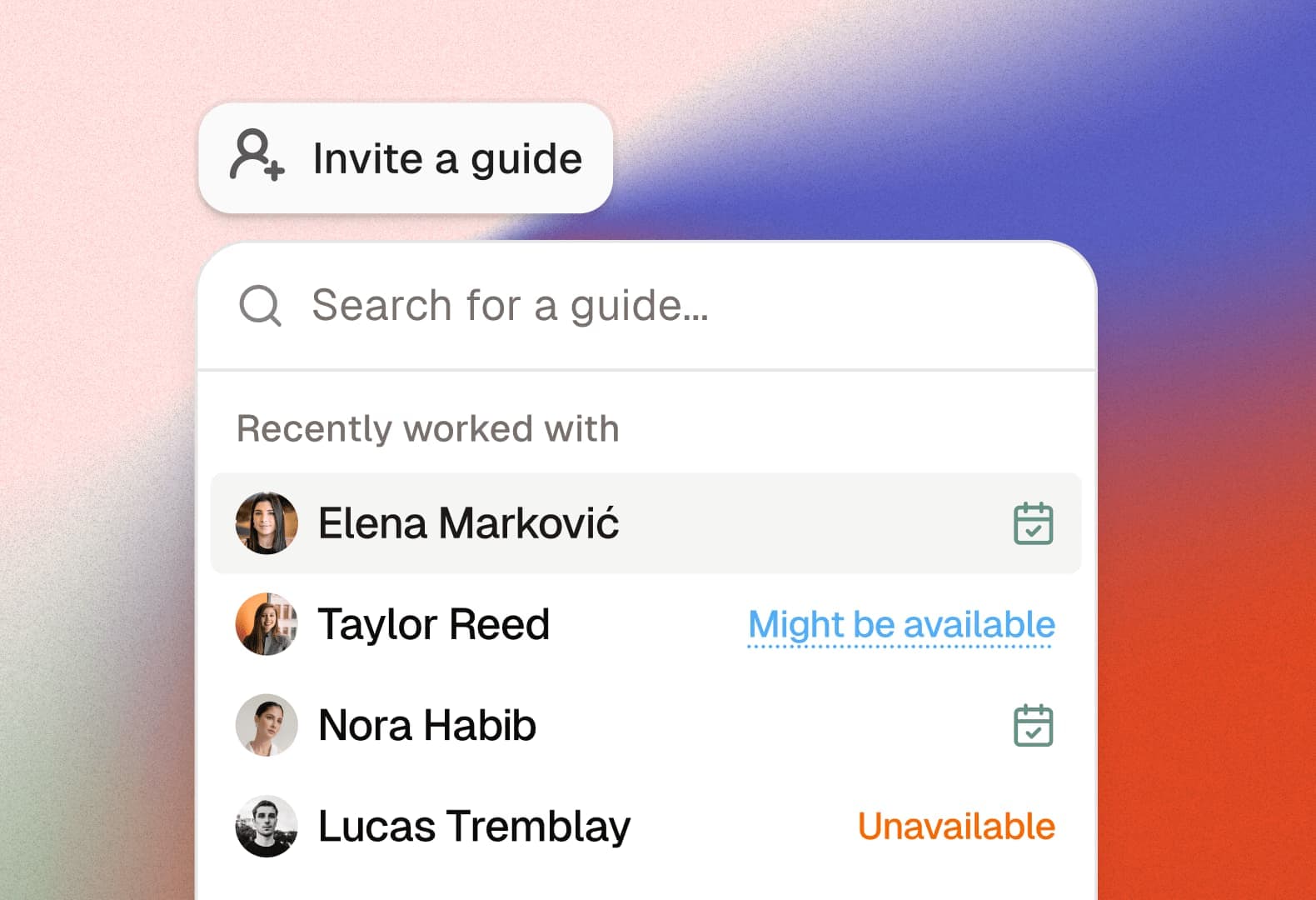
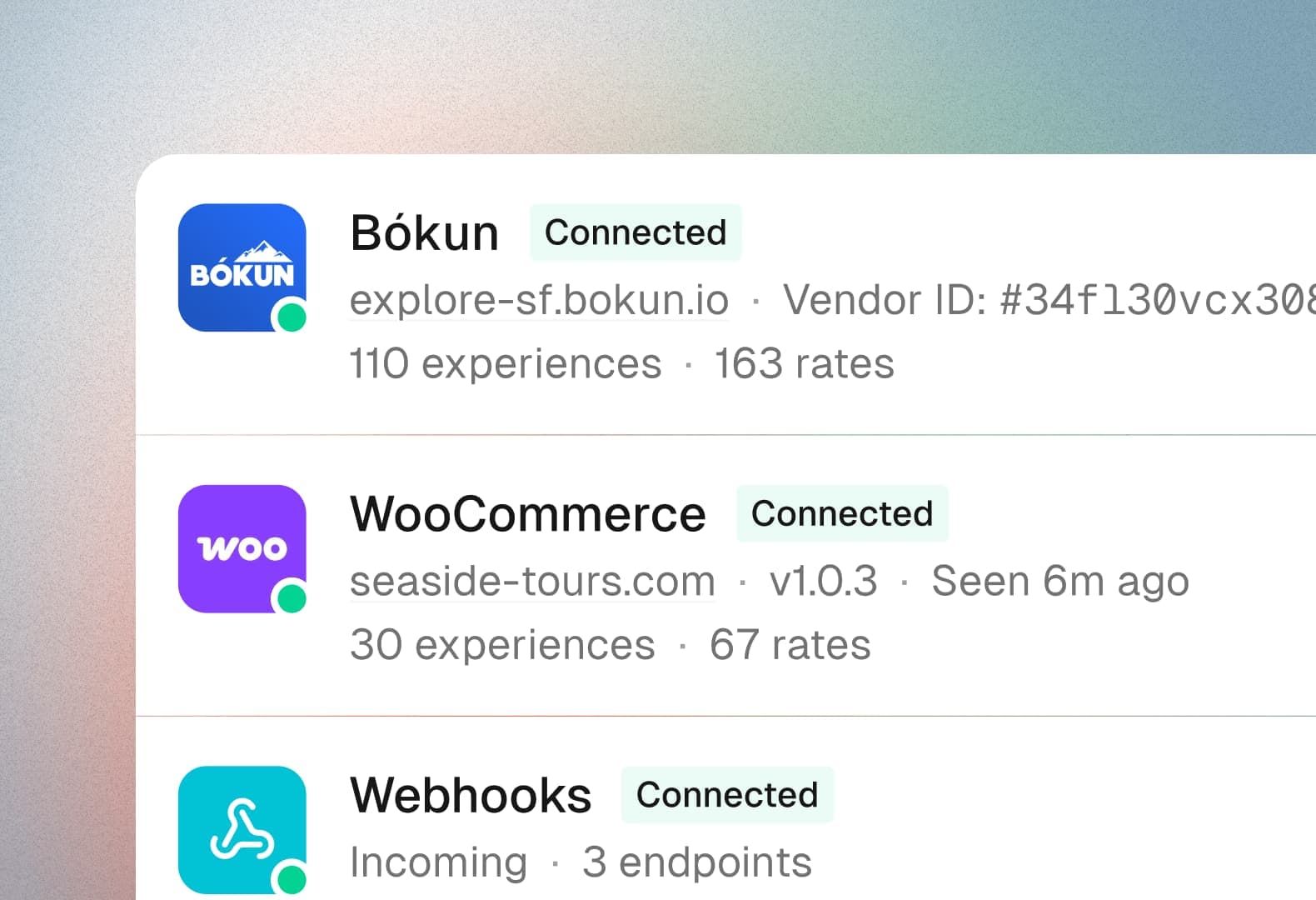
Helm structures your operational data so these connections are automatic. When you assign a guide, conflicts are flagged immediately. When a booking comes in from an OTA, it appears in the right place without manual entry. When something changes, everyone affected is notified without you sending a single message. It's not about replacing a tool you know — it's about removing the manual work that shouldn't exist in the first place.
Stop managing your tours from a spreadsheet and a group chat—there's a better way.






Helm replaces the patchwork of tools tour operators rely on with one purpose-built platform for everything that happens after a booking.
Try Helm for free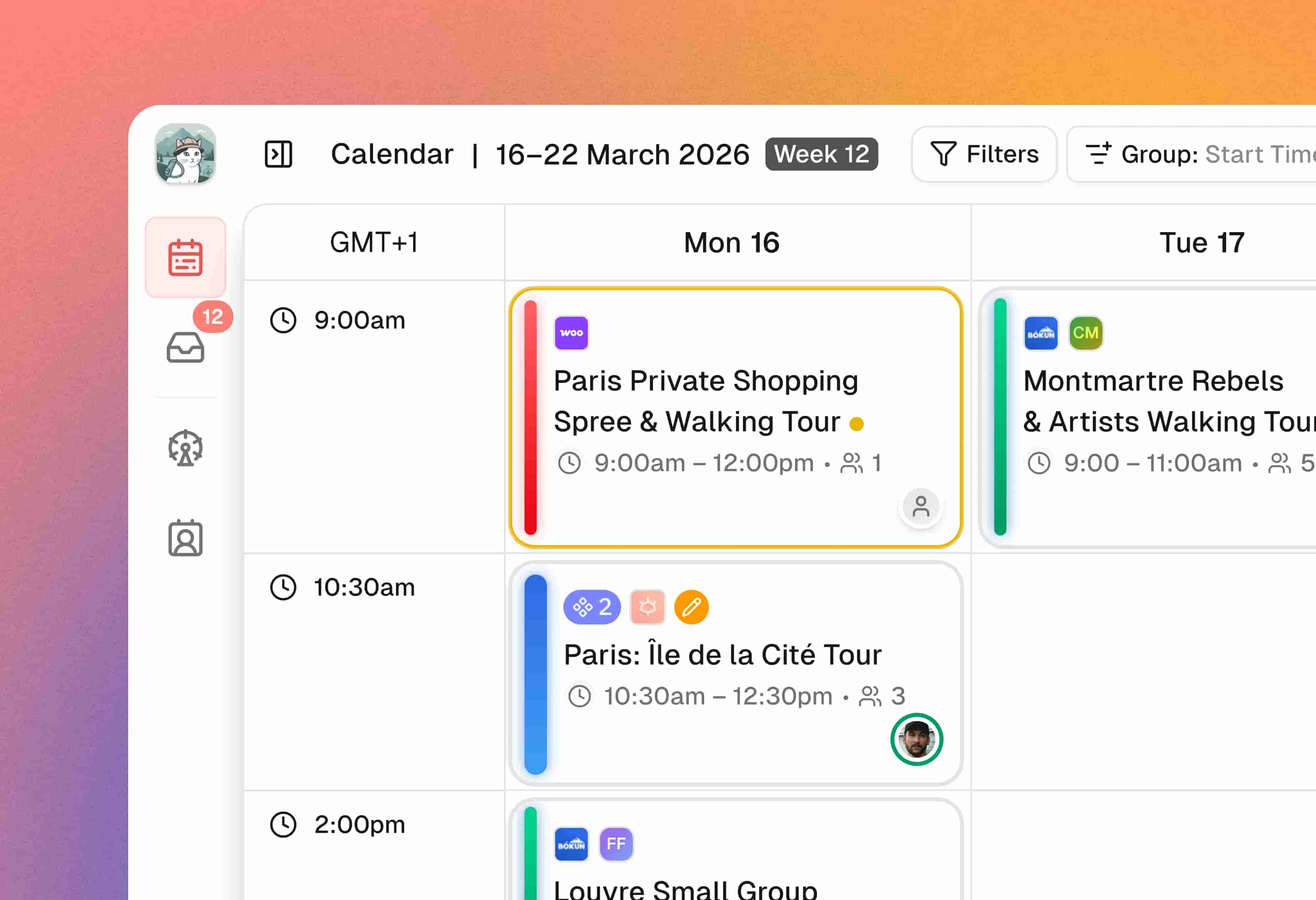
Frequently asked questions
Related pages
Ready to replace the patchwork?
Start for free with 2 team seats. No credit card required.