Helm vs Trello: operations platform vs project boards
Trello is a flexible project management tool that some operators adapt for tour scheduling. Here's how Kanban boards compare to software designed specifically for tour operations.
Helm is tour operations software — scheduling, OTA sync, and team coordination in one platform.
50M+
Trello users worldwide
Atlassian
0
OTA integrations or guide-matching features in Trello
€0
Helm starting price for 2-seat teams
| Feature | Helm | Trello |
|---|---|---|
| OTA booking sync | ||
| Guide qualification matching | ||
| Automatic conflict detection | Basic | |
| Change cascading across tours | ||
| Assignment notifications & confirmations | ||
| Kanban / board view | ||
| Power-Ups / third-party integrations | Tour-specific integrations | 200+ generic integrations |
| Google Calendar sync | Via Power-Up | |
| Free plan | Yes (2 seats) | Yes (10 boards) |
The bottom line
Trello treats a tour like a card on a board. Helm treats a tour like what it actually is: an event with a time, a location, qualified guide requirements, customer bookings from multiple OTAs, and a cascade of dependencies that shift when anything changes. Trello is a project management tool being forced into an operations role. Helm is the operations tool.
Why project management boards don't work for tour ops
The Trello-for-tour-ops pattern usually looks like this: one board per week, one list per day, one card per tour. The guide's name goes on the card, customer details in the description, a color label for the tour type. Some operators even add checklists for equipment or meeting-point details. It's organized, visual, and familiar — and it breaks down the moment anything changes.
The fundamental problem is that Trello has no concept of relationships between cards. When a guide assigned to Monday's 2 PM card also appears on Tuesday's 10 AM card, Trello doesn't know those are the same person. There's no conflict detection, no qualification matching, no way to answer 'if Maria cancels, which other cards are affected?' without manually reading through every card on the board. In tour operations, where changes happen daily, this manual review is a constant time drain.
Then there's the data problem. Every booking from Viator, GetYourGuide, or your website needs to become a card or a card update. That's manual data entry — copying customer names, headcounts, languages, and special requirements from your OTA dashboard into Trello. With 30 bookings a day, you're spending an hour just on data entry that a dedicated ops tool handles automatically.
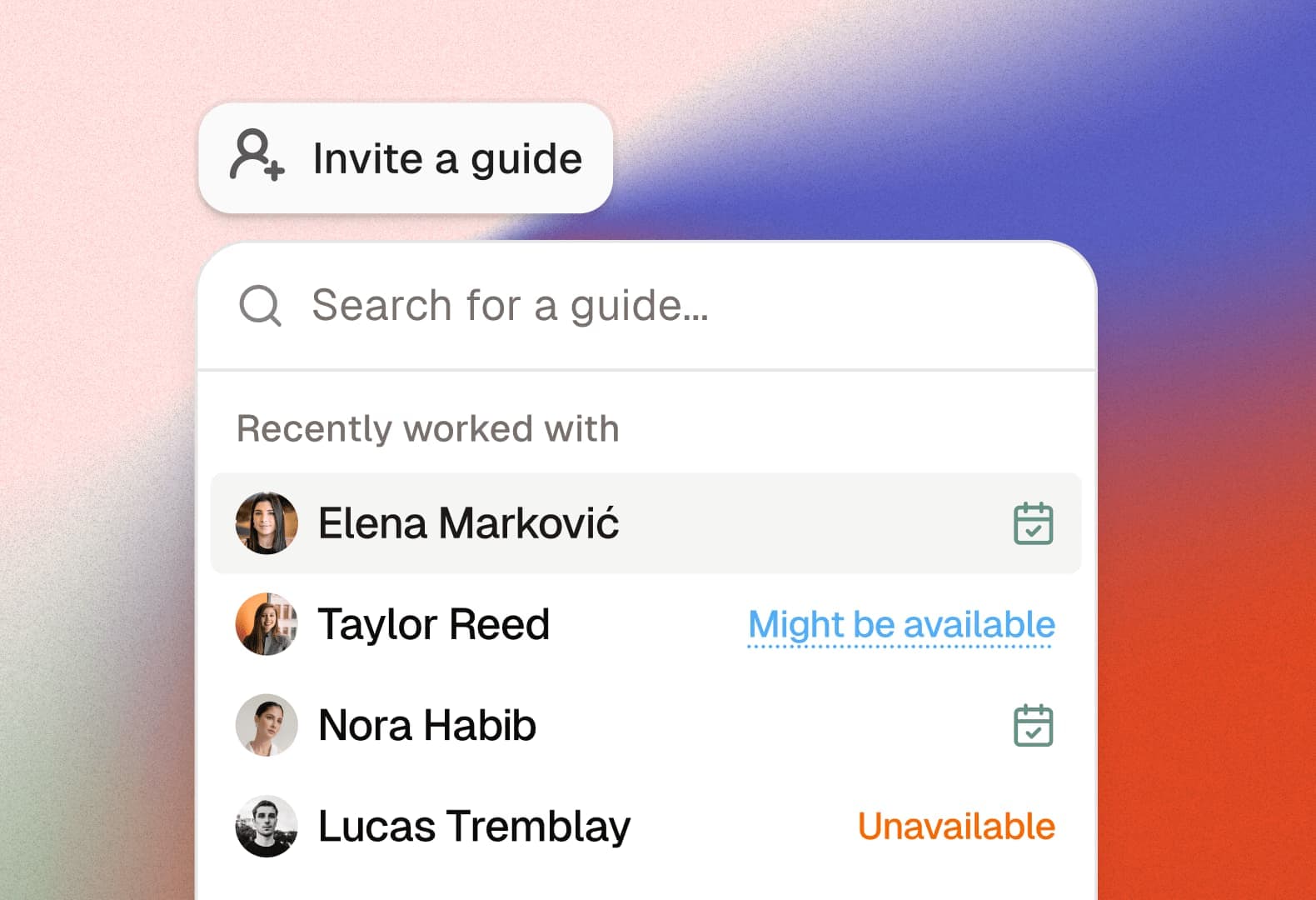
Helm replaces the Trello board with an operations view designed for tours. Guides aren't labels on cards — they're resources with qualifications, languages, availability, and assignment history. Tours aren't cards — they're structured events with live booking data from your OTAs. The visual clarity you liked about Trello is preserved, but now backed by operational intelligence: conflicts are flagged, qualifications are matched, and changes cascade automatically.
Stop managing your tours from a spreadsheet and a group chat—there's a better way.




Helm replaces the patchwork of tools tour operators rely on with one purpose-built platform for everything that happens after a booking.
Try Helm for free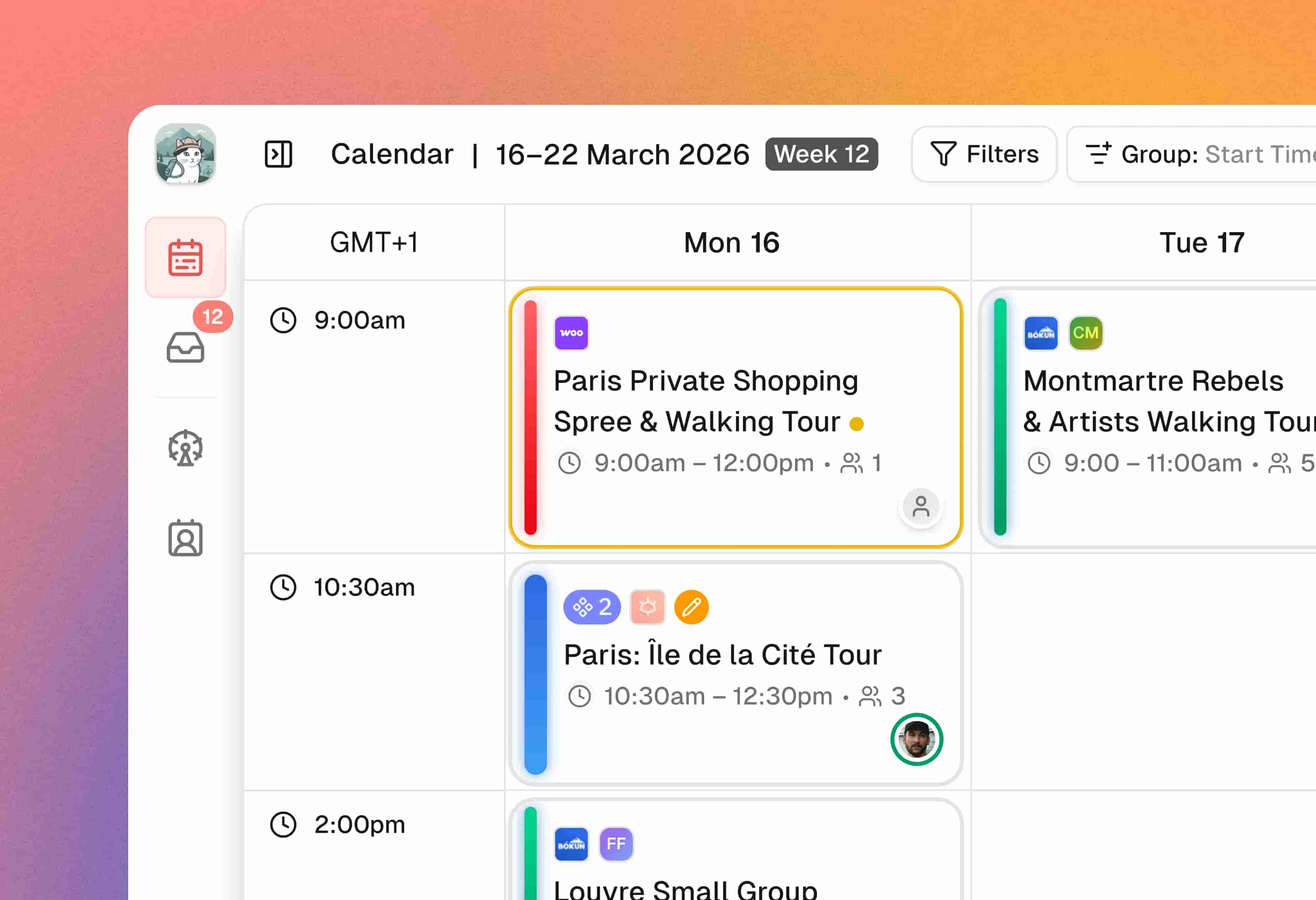
Frequently asked questions
Related pages
Ready to replace the patchwork?
Start for free with 2 team seats. No credit card required.