Helm vs Notion: operations platform vs flexible workspace
Notion is brilliant for documentation and knowledge management. Some operators build elaborate tour ops systems in it. Here's how that approach compares to using software built specifically for tour operations.
Helm is tour operations software — scheduling, OTA sync, and team coordination in one platform.
100M+
Notion users worldwide
Notion.so
0
booking integrations or scheduling automation in Notion
5h+
weekly time operators report spending on custom Notion ops systems
Helm user interviews
| Feature | Helm | Notion |
|---|---|---|
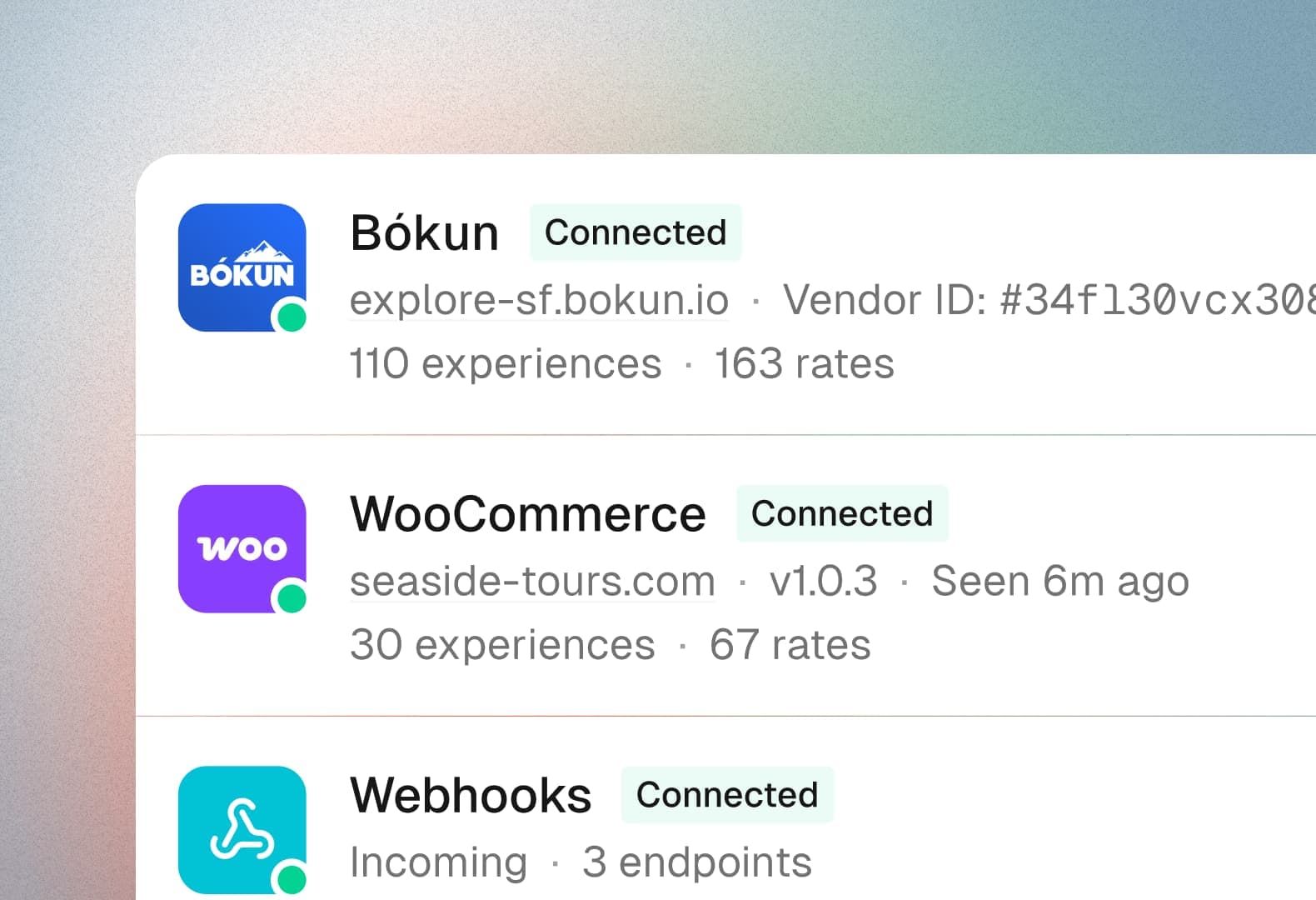
| OTA booking sync | ||
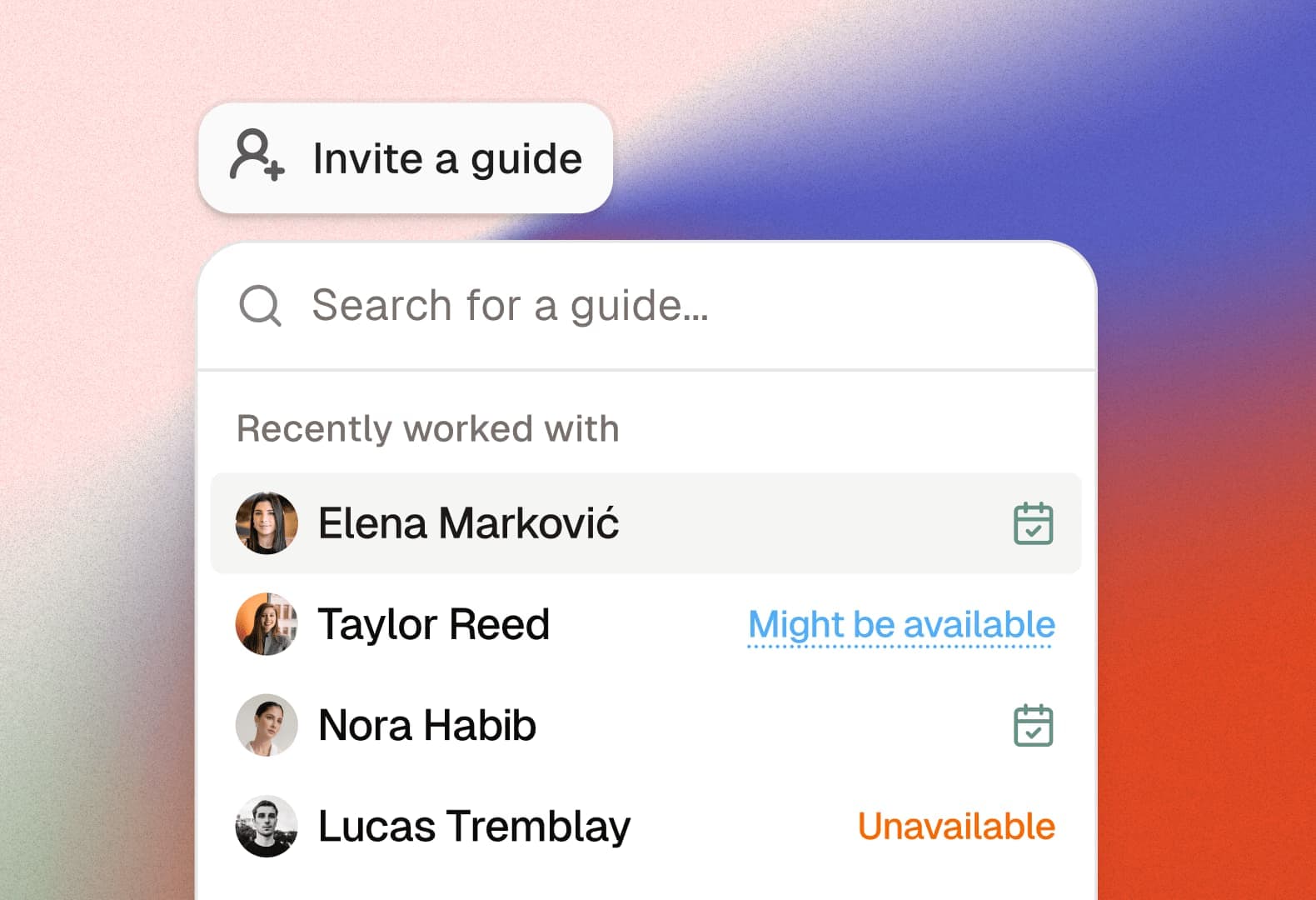
| Guide qualification matching | ||
| Automatic conflict detection | Basic | |
| Change cascading across tours | ||
| Assignment notifications & confirmations | ||
| Completely customizable structure | ||
| Knowledge base / SOPs / wikis | ||
| Guide-facing mobile experience | Basic | |
| Free plan | Yes (2 seats) | Yes (limited) |
| Time to operational value | Minutes | Days to weeks (DIY setup) |
The bottom line
Notion is the Swiss Army knife of productivity — and some tour operators have built impressively elaborate operations systems in it. But every one of those systems requires manual data entry, manual conflict checking, and manual notifications. Helm does all of that automatically because it understands tours, guides, and bookings at a structural level. Keep Notion for your SOPs and knowledge base. Use Helm for the operational execution.
The Notion ops system trap
We've seen dozens of tour operators with elaborate Notion setups. A 'Guide Database' linked to a 'Tours Database' linked to a 'Bookings Database,' with calendar views, filtered galleries, and Kanban boards for daily assignments. Some even build automation with third-party tools to pull in booking data. It's impressive engineering — and it's a trap.
The trap is maintenance. Every Notion ops system is a custom build, and custom builds require a custom builder. When the person who designed the database relationships and formulas goes on holiday, the system becomes fragile. When bookings come in faster than someone can enter them, data lags behind reality. When a guide cancels at 7 AM, there's no automated cascade — someone needs to manually check every linked record, update statuses, and message replacements.
Notion's power — its infinite flexibility — is also its weakness for operations. A tour scheduling system needs specific constraints: a guide can't be in two places at once, a tour needs someone who speaks the right language, a change in one place must ripple to all affected places. In Notion, these constraints live in your head, not in the system. Helm encodes these constraints as features: conflict detection, qualification matching, change cascading.
The right division is clear: Notion for knowledge, Helm for operations. Your tour SOPs, training materials, company handbook, and meeting notes belong in Notion. Your daily schedule, guide assignments, booking data, and operational coordination belong in Helm. Notion tells your team how to do things. Helm tells your team what to do today.
Stop managing your tours from a spreadsheet and a group chat—there's a better way.





Helm replaces the patchwork of tools tour operators rely on with one purpose-built platform for everything that happens after a booking.
Try Helm for free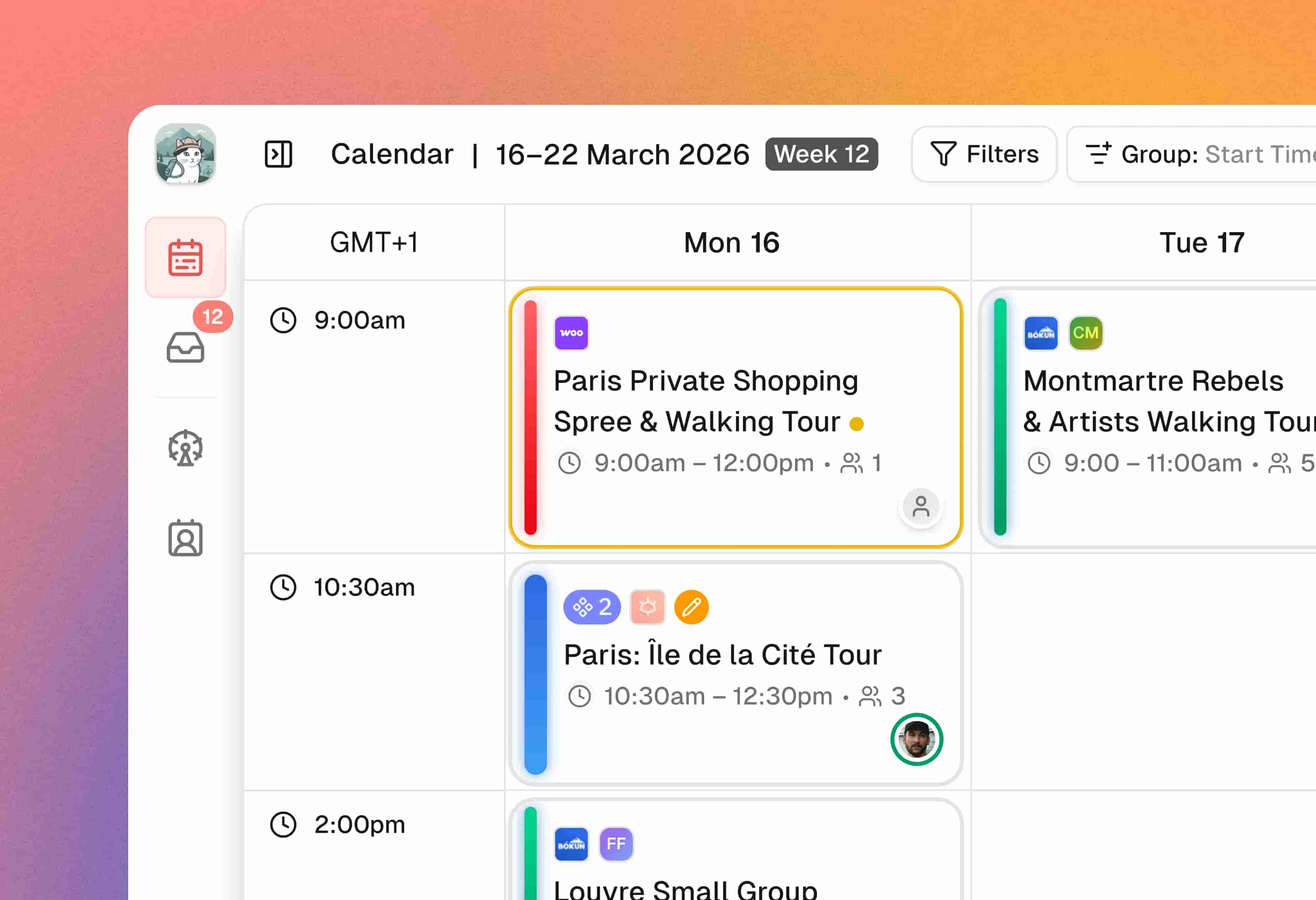
Frequently asked questions
Related pages
Ready to replace the patchwork?
Start for free with 2 team seats. No credit card required.