Manual operations vs dedicated tour software
Many tour operators run successfully on spreadsheets and WhatsApp. Here's an honest look at the trade-offs of manual operations versus purpose-built software as your operation grows.
Helm is tour operations software — scheduling, OTA sync, and team coordination in one platform.
4.2h
per week spent on manual scheduling by average operator
12%
of bookings affected by operational errors (industry avg)
Arival, 2024
€8,400
annual cost of coordination overhead for a 20-tour/day operator
| Feature | Helm | Manual Operations (Status Quo) |
|---|---|---|
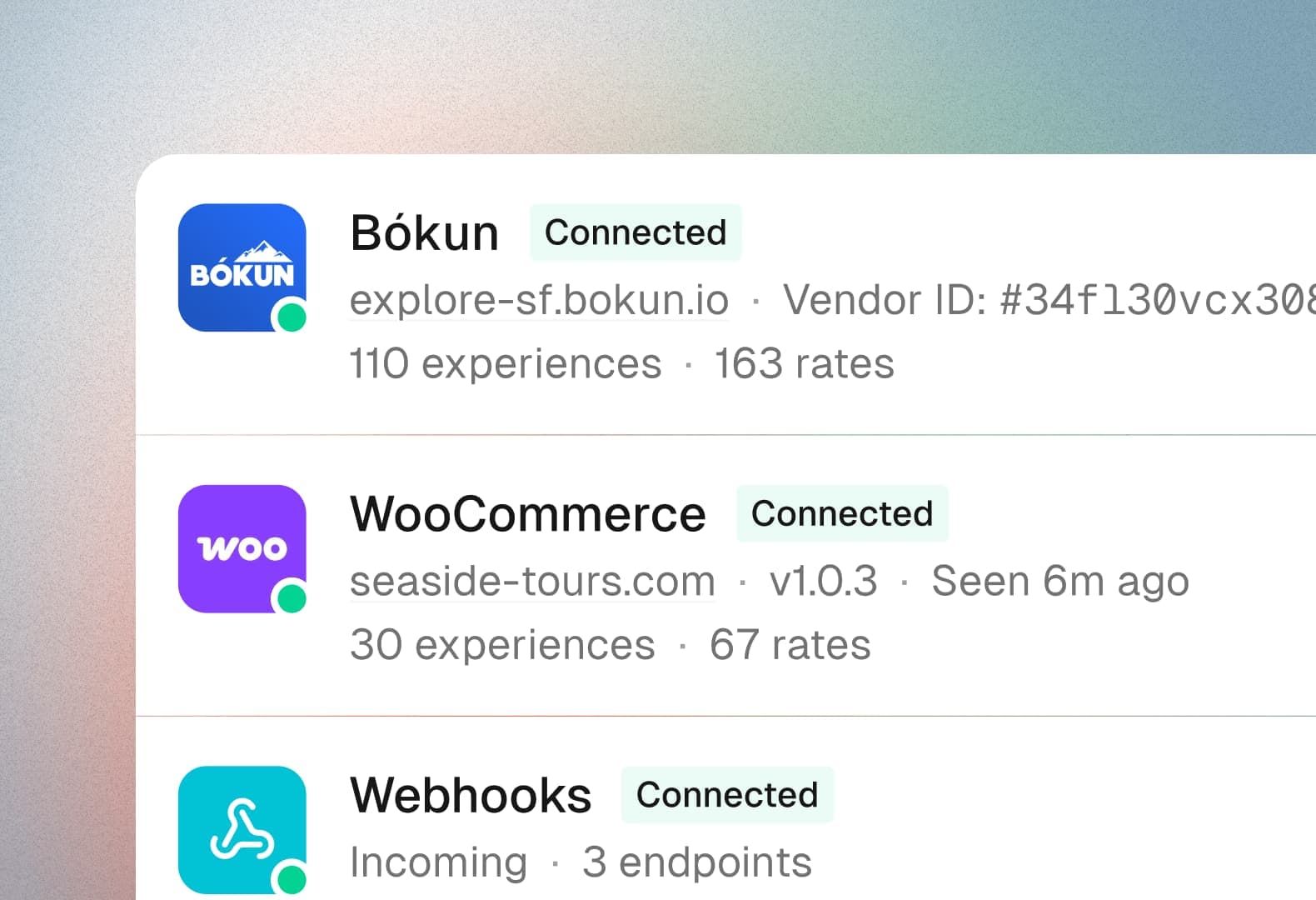
| Automatic OTA booking sync | Manual copy-paste | |
| Conflict detection | Instant, automatic | Manual cross-referencing |
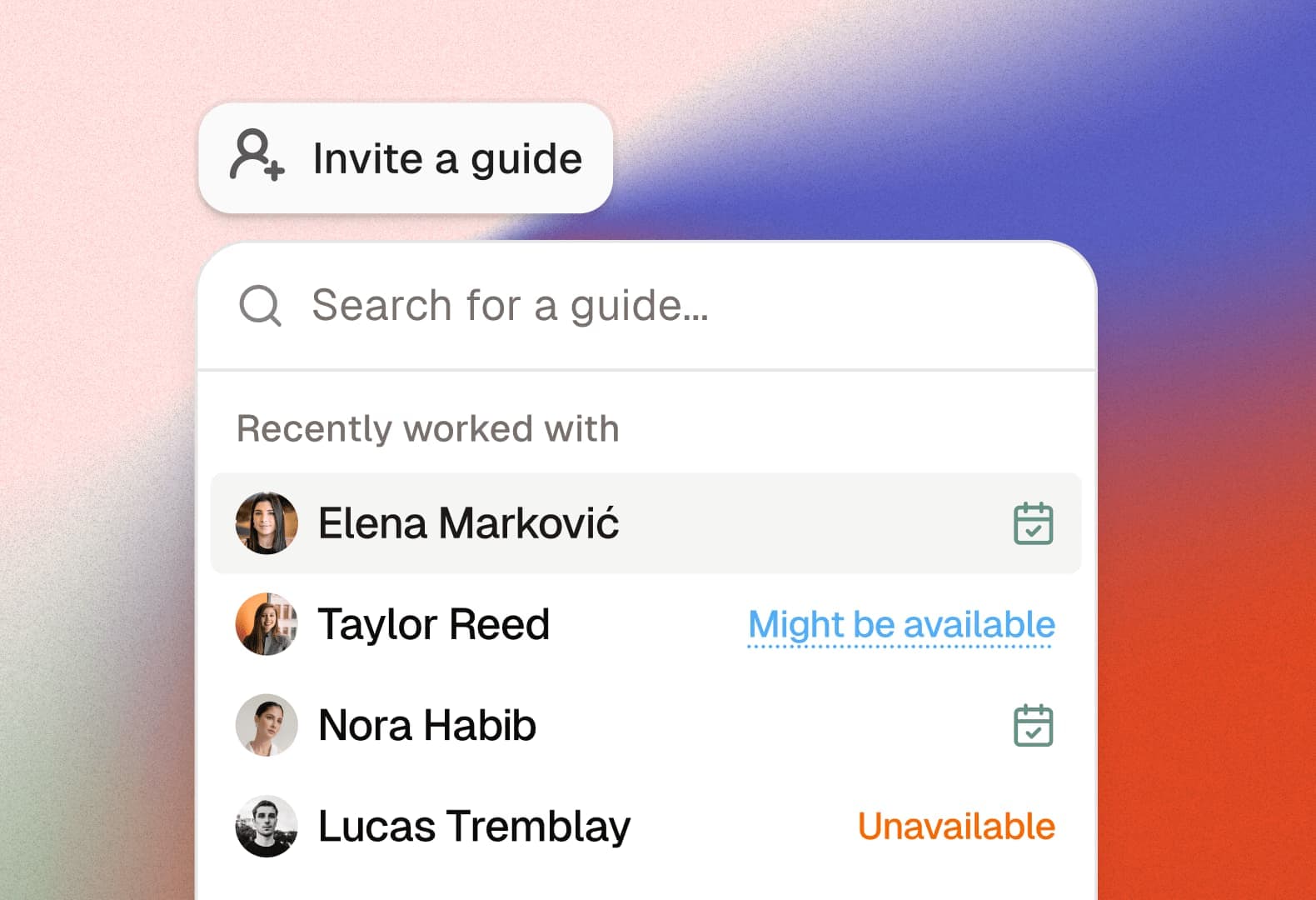
| Guide qualification matching | System-enforced | Memory-dependent |
| Change cascading | One-click, automated | 30+ min of messages and calls |
| Assignment confirmation tracking | Scroll through WhatsApp | |
| Schedule accessible to whole team | Depends on who updated it last | |
| Works when the founder is on holiday | ||
| Setup effort | 1-2 hours | None (already in place) |
| Monthly cost | Free or €50 | €0 (but hidden costs below) |
The bottom line
The status quo feels free because you don't write a check for it. But you pay for it every day — in hours spent on manual scheduling, in bookings affected by errors, in guides who get frustrated by chaotic communication, and in the growth ceiling that manual processes impose. Helm's free plan costs nothing to try. The real risk isn't switching — it's not switching, and waking up in six months still doing the same manual work.
Counting the cost you've stopped noticing
Manual operations have a dangerous property: they degrade gradually. You don't wake up one morning to a broken system. Instead, the WhatsApp group gets a little busier each week. The spreadsheet takes a little longer to update. The scheduling conflicts happen a little more often. Each individual incident is manageable — a quick phone call here, a hasty reassignment there. But the cumulative cost is significant, and because it crept up slowly, you've stopped noticing it.
Let's put numbers to it. If you run 20 tours a day and spend 4 hours weekly on scheduling — that's 200 hours a year, or roughly €4,000 in coordinator time at a modest rate. If 12% of bookings are affected by operational errors (wrong guide, missed booking, double-assignment), and your average tour is worth €50 per person with 8 people, that's €5,760 annually in customer experience damage — refunds, bad reviews, or just the silent loss of repeat bookings. Add the guide who quit because they got the wrong schedule for the third time, and the cost of recruiting and training a replacement, and manual operations are quietly one of your biggest expenses.
Then there's the ceiling. Manual operations scale linearly — more tours require proportionally more coordination effort. At 10 daily tours, it's manageable. At 30, it's a full-time job. At 50, it requires two people. This linear scaling means your operational overhead grows at the same rate as your revenue, eating into margins exactly when they should be expanding. Purpose-built software scales sublinearly — the effort to manage 50 tours is only marginally more than managing 20.
The most expensive cost is the one you can't quantify: the growth you didn't pursue. The operators still running on spreadsheets and WhatsApp are often the ones who say 'we can't take on more tours right now' — not because of demand, but because their operations can't handle more complexity. Helm removes that ceiling. The free plan takes an hour to set up. The worst case is that you spend an hour and go back to your spreadsheet. The best case is that you reclaim 200 hours a year and unlock the growth you've been deferring.
Stop managing your tours from a spreadsheet and a group chat—there's a better way.






Helm replaces the patchwork of tools tour operators rely on with one purpose-built platform for everything that happens after a booking.
Try Helm for free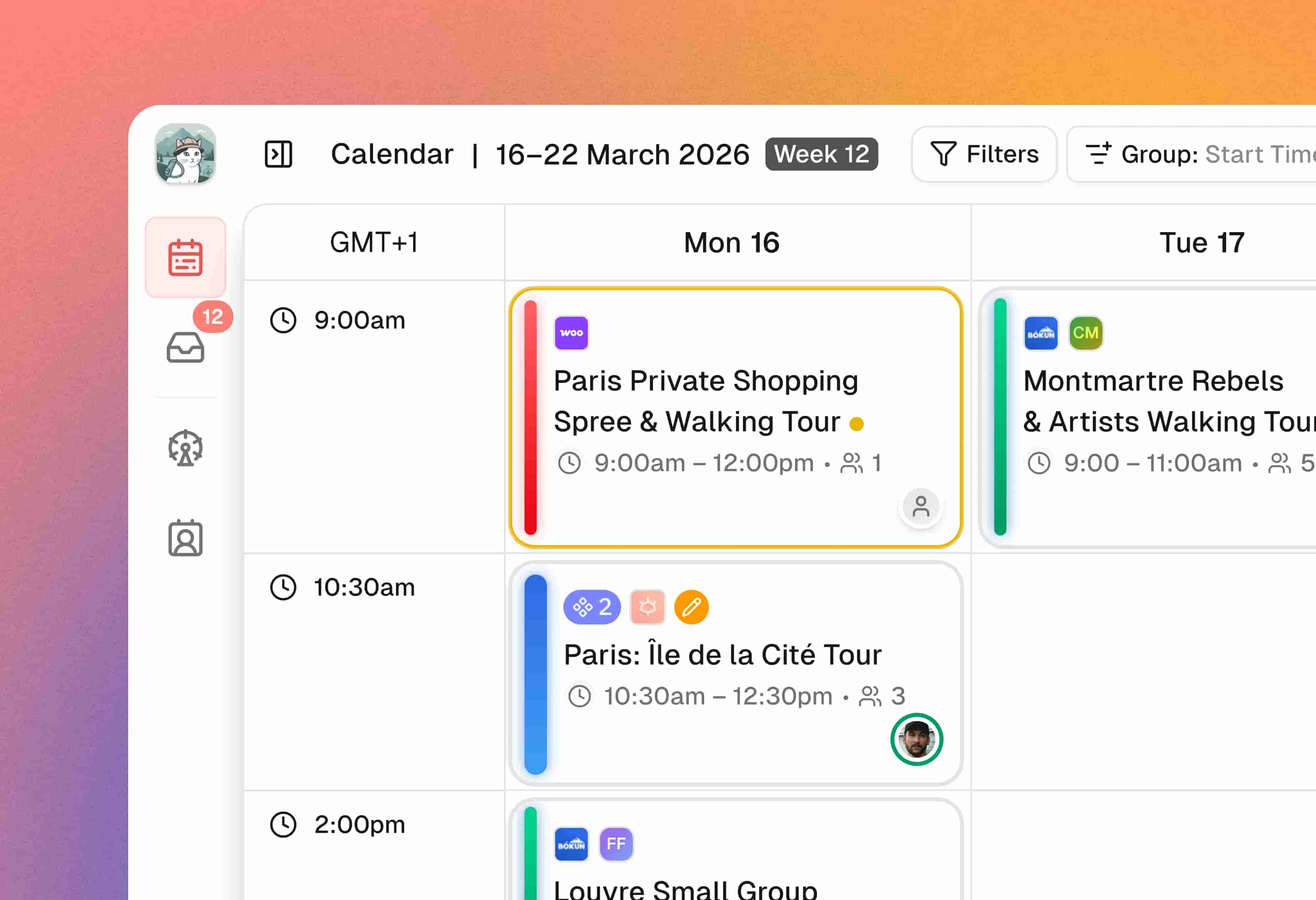
Frequently asked questions
Related pages
Ready to replace the patchwork?
Start for free with 2 team seats. No credit card required.