7 Best Tour Operations Software in 2026
Tour operations software sits between your booking platforms and your team on the ground. We reviewed the tools that actually help you run day-to-day operations — not just sell tickets.
Helm is tour operations software — scheduling, OTA sync, and team coordination in one platform.
73%
of tour operators still rely on spreadsheets for daily operations
Arival, 2024
4.2h
average hours per week spent on manual scheduling and coordination
Helm user interviews
12%
of tours experience operational issues from poor coordination
Helm
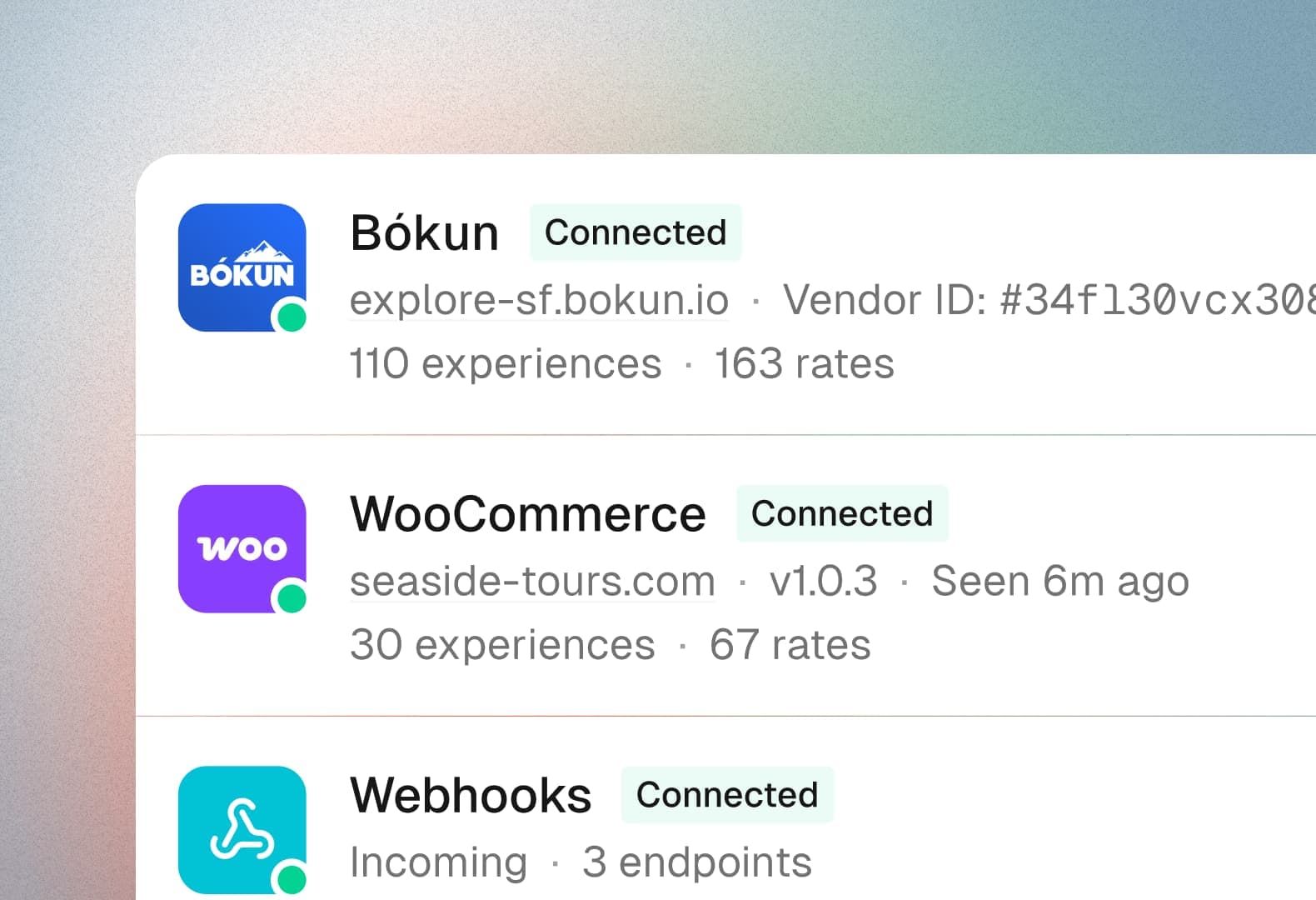
Operations platform built specifically for tour operators. Connects to OTAs like Bókun, Viator, and GetYourGuide, then handles the operational side: guide scheduling, qualification matching, change cascading, and team coordination.
Strengths
- Purpose-built for tour operations with native OTA sync
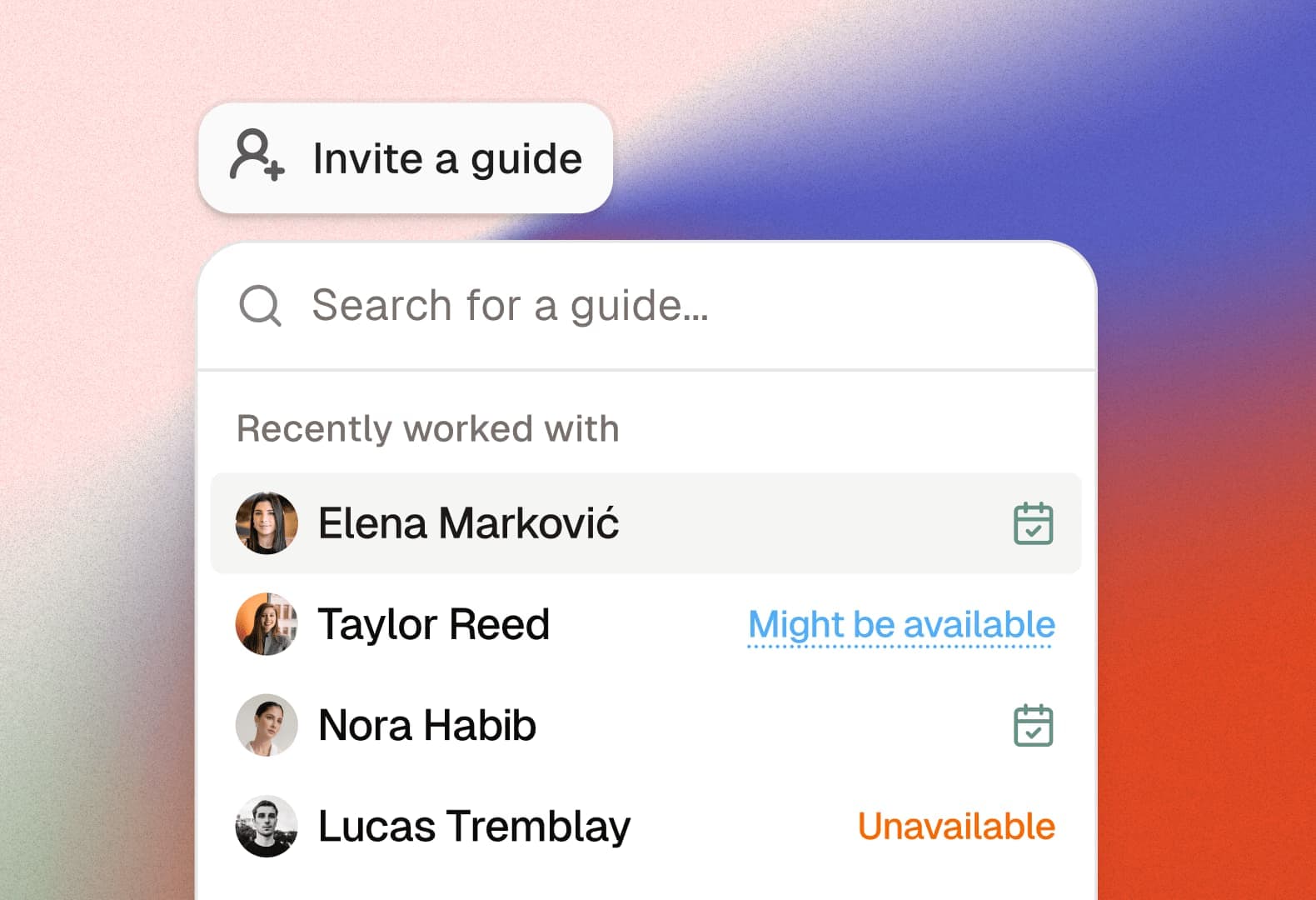
- Automatic guide-to-tour matching based on qualifications and language
- Change cascading handles last-minute disruptions across all affected tours
- Free plan for up to 2 team members
Limitations
- No built-in booking engine — you still need an OTA or booking platform
- Relatively new product compared to legacy players like TourPlan
- Advanced features require the Growth plan at €50/month
Origin
Tour and activity management platform with scheduling, resource management, and manifests. Designed for multi-day and complex tour operations with a focus on itinerary planning.
Strengths
- Strong itinerary and resource management for multi-day tours
- Good reporting and analytics for operational insights
- Handles complex tour logistics including transport and accommodation
Limitations
- Steeper learning curve due to the breadth of features
- Pricing can escalate quickly for larger teams
- Less focused on real-time guide coordination compared to lighter tools
Helm advantage: Helm focuses on real-time guide scheduling and OTA sync, while Origin offers broader itinerary planning. The right choice depends on whether your bottleneck is day-to-day coordination or end-to-end tour planning.
TourPlan
Enterprise-grade tour management system used by large operators worldwide. Covers contracting, pricing, itinerary building, and back-office operations. An industry veteran with decades of deployments.
Strengths
- Comprehensive enterprise solution covering the full tour lifecycle
- Strong contracting and supplier management features
- Proven track record with large operators globally
Limitations
- Enterprise pricing puts it out of reach for small operators
- Implementation can take months and requires dedicated training
- UI and UX feel dated compared to modern SaaS tools
Helm advantage: Helm is lightweight and operational in minutes with a free tier. TourPlan offers much deeper enterprise functionality but requires significant implementation time and budget.
Rezdy
Booking and distribution platform for tour and activity operators. Primarily a booking engine with channel management, but includes some operational features like availability management and manifests.
Strengths
- Strong booking engine with broad distribution channel support
- Good availability and capacity management
- Marketplace connects operators with resellers
Limitations
- Operations features are secondary to booking and distribution
- Guide scheduling and qualification matching are limited
- Per-booking commission model can get expensive at scale
Helm advantage: Helm handles the operations that Rezdy doesn't — guide assignment, qualification matching, and change cascading — and can sit alongside Rezdy as the ops layer.
Checkfront
Online booking platform for tour and activity businesses. Includes inventory management, waivers, and some staff scheduling. Focused primarily on the booking and checkout experience.
Strengths
- Solid booking and checkout experience with good conversion rates
- Built-in waiver and liability management
- Integrates with many payment processors and marketing tools
Limitations
- Staff scheduling is basic compared to dedicated operations tools
- No guide qualification matching or language-based assignment
- Can feel over-engineered for operators who already use OTAs for bookings
Helm advantage: Helm provides deeper operations functionality — particularly guide matching and change cascading — for operators who need more than basic staff assignment.
Connecteam
General-purpose workforce management app for deskless teams. Offers scheduling, time tracking, communication, and task management. Not tourism-specific but widely used across field service industries.
Strengths
- Full workforce management suite: scheduling, time tracking, forms, chat
- Mobile-first design works well for field teams
- Generous free plan for up to 10 users
Limitations
- No OTA or booking platform integrations
- Scheduling is shift-based, not tour-based — no concept of tour types or qualifications
- Requires significant manual configuration to fit tour operations
Helm advantage: Helm understands tour-specific concepts like guide qualifications, OTA bookings, and tour-type scheduling that Connecteam's generic shift model cannot handle.
Deputy
Cloud-based workforce management tool specializing in shift scheduling, time tracking, and labor compliance. Popular across hospitality and retail with a clean, intuitive interface.
Strengths
- Intuitive drag-and-drop scheduling interface
- Strong time tracking and labor compliance features
- Good integrations with payroll and HR systems
Limitations
- No awareness of bookings, OTAs, or tour-specific requirements
- Cannot match guides to tours based on qualifications or languages
- Per-user pricing becomes expensive for seasonal operators with large guide pools
Helm advantage: Helm connects directly to your booking flow and assigns guides based on qualifications — Deputy schedules shifts but has no concept of tours or bookings.
What makes tour operations software different from booking software
There is a persistent confusion in the tours and activities industry between booking software and operations software. Booking platforms handle the sales side: listing tours, accepting reservations, processing payments, and distributing inventory across channels. Operations software handles everything that comes after the booking: assigning the right guide, managing schedules, coordinating last-minute changes, and making sure the tour actually happens as promised.
Most operators start with a booking platform and try to stretch it into operations. They build spreadsheets for guide assignments, use WhatsApp for coordination, and rely on memory for qualification matching. This works at small scale, but breaks down quickly once you are running multiple tour types across several OTAs with a pool of guides who each have different languages, certifications, and availability.
The tools in this list approach operations from different angles. Some, like Helm, are built for the operational layer and designed to work alongside your existing booking platform. Others, like Rezdy and Checkfront, are primarily booking tools with some operational features built in. And others still, like Connecteam and Deputy, are general workforce tools that operators adapt for tour-specific needs.
The right choice depends on where your biggest pain point is. If you already have bookings flowing in and struggle with the coordination side, a dedicated operations tool will have the most impact. If you need both booking and basic operations in one system, an all-in-one platform may be simpler. If your team is large and shift-based, a workforce management tool might be the practical starting point.
Stop managing your tours from a spreadsheet and a group chat—there's a better way.






Helm replaces the patchwork of tools tour operators rely on with one purpose-built platform for everything that happens after a booking.
Try Helm for free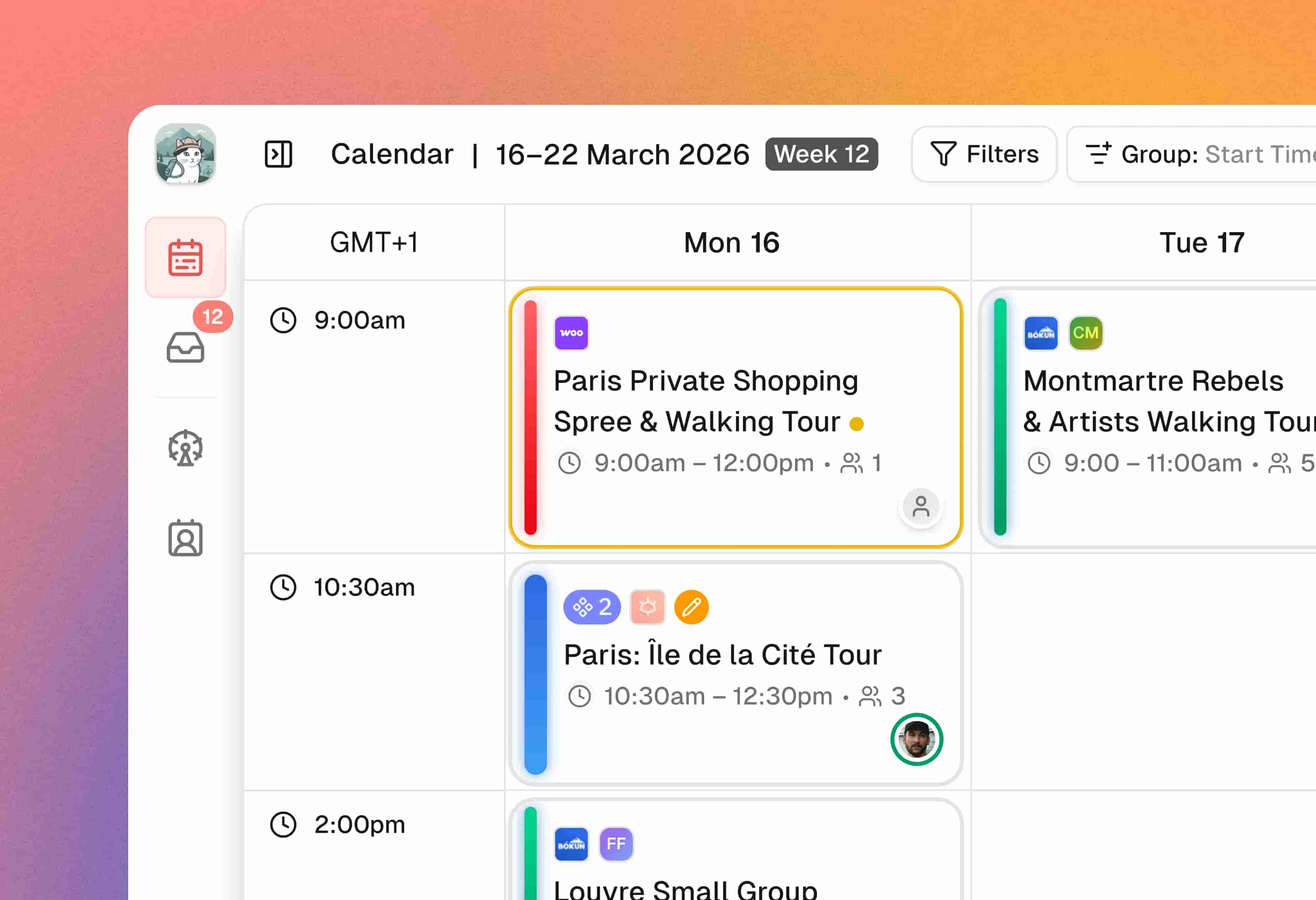
Frequently asked questions
Ready to replace the patchwork?
Start for free with 2 team seats. No credit card required.