5 Best Tour Guide Scheduling Tools in 2026
Guide scheduling in tourism is not the same as shift scheduling. You need qualification matching, language awareness, and real-time changes — not just a drag-and-drop calendar.
Helm is tour operations software — scheduling, OTA sync, and team coordination in one platform.
3-5h
weekly hours tour operators commonly spend on guide scheduling
Helm user interviews
23%
of tours experience staffing conflicts during peak season
67%
of guide scheduling errors happen due to qualification mismatches
Arival, 2024
Helm
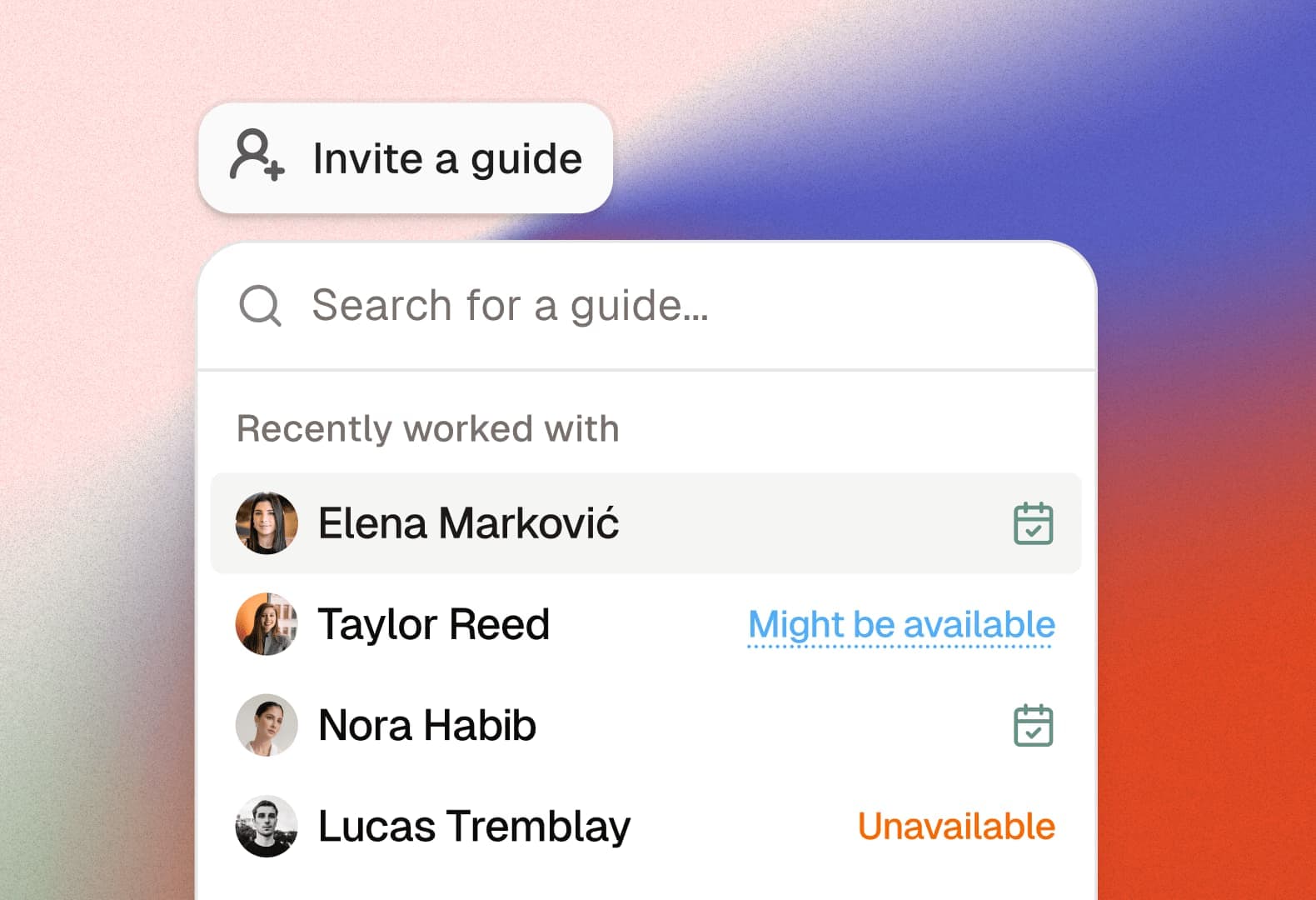
Operations platform with guide scheduling at its core. Pulls bookings from OTAs, matches guides based on qualifications, language, and availability, and cascades changes automatically when something shifts.
Strengths
- Qualification-aware scheduling matches guides to tours by language, certification, and experience
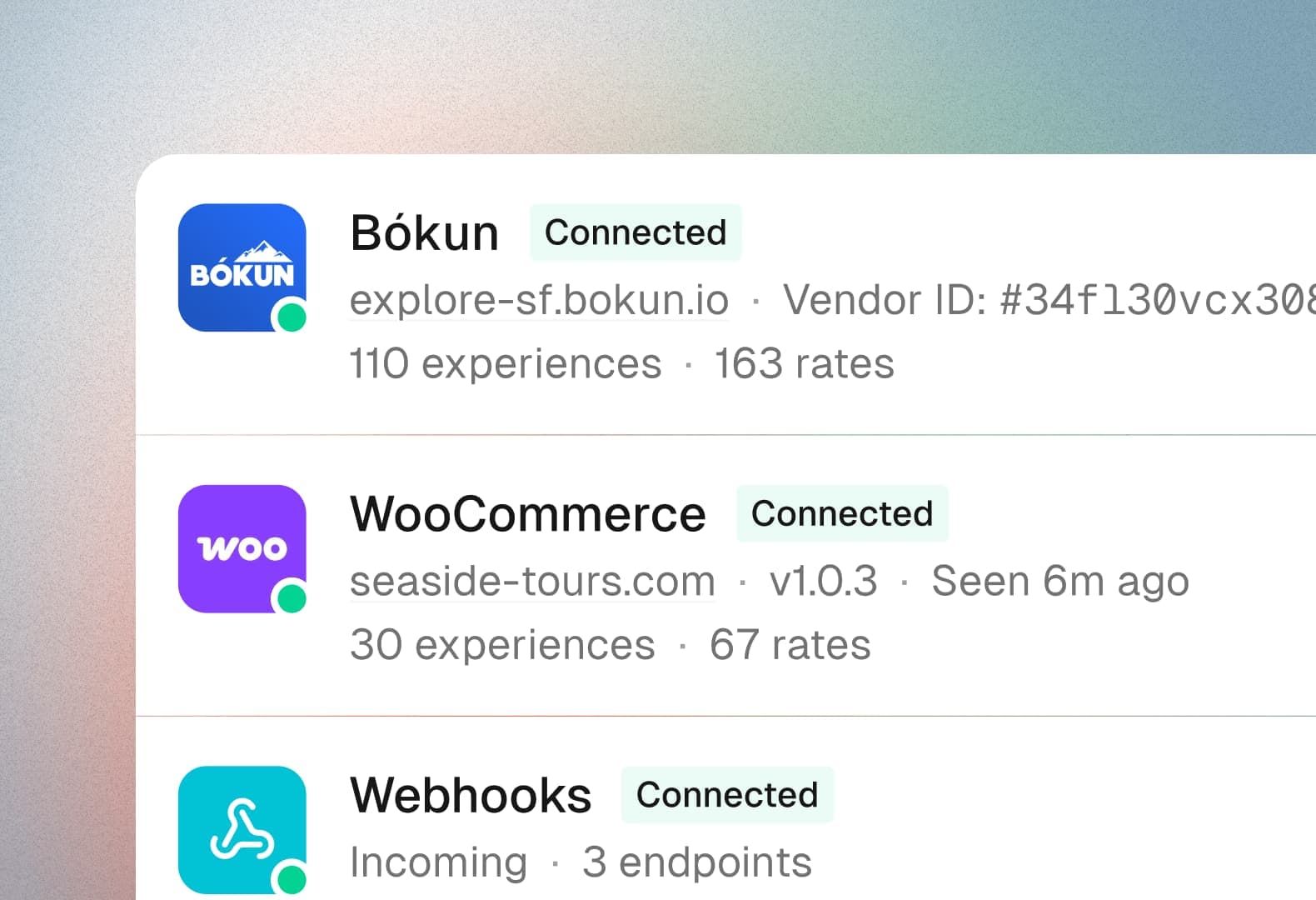
- OTA sync means new bookings automatically appear on the schedule
- Change cascading recalculates affected assignments when a guide cancels or a tour changes
- Google Calendar sync lets guides see assignments without logging into another tool
Limitations
- Not a general shift scheduling tool — built specifically for tour operations
- No built-in time tracking or payroll features
- Relatively new platform with a smaller user base than established workforce tools
Origin
Tour management platform that includes resource scheduling and manifests. Handles guide assignments as part of a broader itinerary and resource planning workflow.
Strengths
- Scheduling integrated with full tour itinerary and resource planning
- Good manifest generation for complex multi-day operations
- Supports multiple resource types beyond just guides
Limitations
- More complex than needed if you only want guide scheduling
- Higher price point than lightweight scheduling tools
- Real-time OTA sync is less developed than dedicated operations tools
Helm advantage: Helm offers more focused guide scheduling with OTA integration and real-time change cascading, while Origin provides broader tour planning capabilities. Operators needing both may use them together.
Deputy
Shift scheduling and workforce management platform popular in hospitality. Clean interface with drag-and-drop scheduling, time tracking, and labor compliance tools.
Strengths
- Polished, intuitive scheduling interface with drag-and-drop
- Built-in time tracking and timesheet management
- Strong integrations with payroll platforms like Xero and Gusto
Limitations
- Shift-based model does not support tour types, qualifications, or language matching
- No OTA or booking platform integrations
- Per-user pricing is expensive for operators with large seasonal guide pools
Helm advantage: Helm auto-matches guides based on qualifications and pulls bookings from OTAs — Deputy requires all matching and booking awareness to be done manually.
When I Work
Employee scheduling app designed for hourly workers. Offers shift scheduling, team messaging, and availability management with a straightforward mobile experience.
Strengths
- Simple and affordable scheduling for small teams
- Good mobile app for guides to view schedules and swap shifts
- Built-in team messaging reduces reliance on external chat apps
Limitations
- No concept of tour types, qualifications, or booking-driven scheduling
- Cannot automatically assign guides based on skills or languages
- Limited reporting compared to more specialized tools
Helm advantage: Helm understands the operational context — which guide is qualified for which tour — while When I Work only knows about time slots.
Google Calendar
The manual approach many operators start with. Using shared calendars, color coding, and manual event creation to manage guide assignments. Free and familiar, but entirely manual.
Strengths
- Free and universally familiar — zero learning curve
- Guides already have it on their phones
- Flexible enough to represent any scheduling structure you design
Limitations
- Entirely manual — every assignment, change, and conflict check requires human effort
- No qualification matching, availability checking, or conflict detection
- Breaks down quickly beyond 3-4 guides or multiple tour types
Helm advantage: Helm automates the scheduling work you would do manually in Google Calendar and syncs assignments back to guides' calendars. The trade-off is a learning curve and monthly cost once you outgrow the free plan.
Why tour guide scheduling is harder than regular employee scheduling
Guide scheduling in the tours and activities industry has unique constraints that generic scheduling tools were never designed to handle. A tour guide is not interchangeable the way a retail shift worker might be. Each guide has specific language skills, certifications, experience with particular tour types, and relationships with regular clients. Assigning the wrong guide to a tour does not just create an inconvenience — it can mean a safety issue, a language barrier, or a poor experience that results in a bad review.
The challenge is compounded by the multi-channel nature of modern tour operations. Bookings arrive from Viator, GetYourGuide, Bókun, your own website, and sometimes walk-ins. Each booking has specific requirements — group size, language, tour type, pickup location — that need to be matched against available guides. Doing this manually across multiple OTA dashboards and a spreadsheet is where most operators lose hours every week.
Real-time changes make everything harder. A guide calls in sick at 7 AM. A VIP booking comes in for a sold-out tour. Rain cancels the outdoor walking tour but not the museum tour. Each change has a cascade effect across other assignments, and the faster you can identify and resolve these cascades, the less disruption your guests experience.
The tools in this comparison range from scheduling platforms designed for tour operations that understand these constraints natively, to general-purpose scheduling apps that require manual workarounds. The right choice depends on the complexity of your operation, the size of your guide pool, and how much of the matching logic you want automated versus managed by hand.
Stop managing your tours from a spreadsheet and a group chat—there's a better way.






Helm replaces the patchwork of tools tour operators rely on with one purpose-built platform for everything that happens after a booking.
Try Helm for free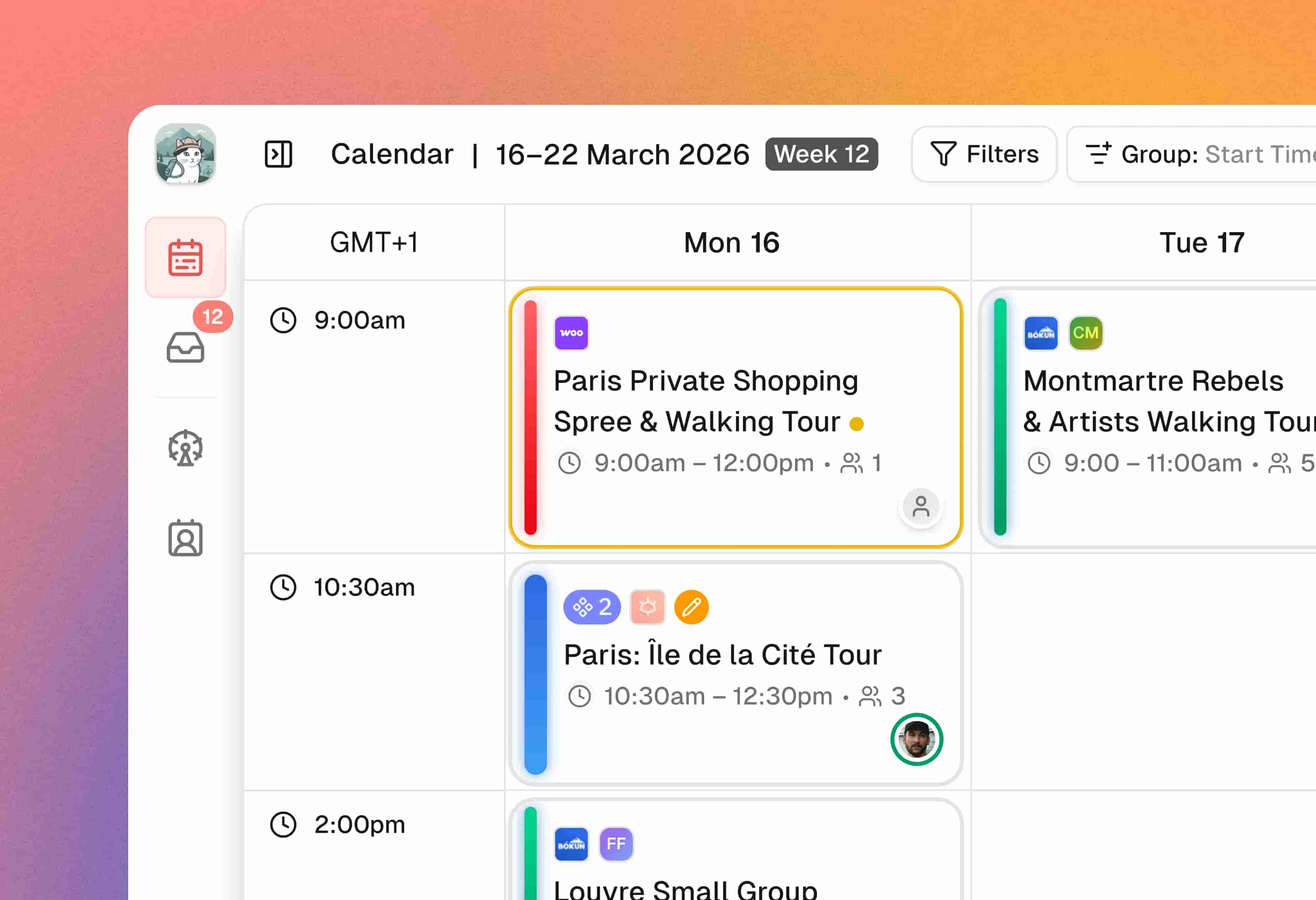
Frequently asked questions
Ready to replace the patchwork?
Start for free with 2 team seats. No credit card required.