Tour operations software for Tokyo operators
Coordinate bilingual guides, navigate the world's most complex transit system, and deliver culturally sensitive experiences — from Tsukiji to Shibuya and beyond.
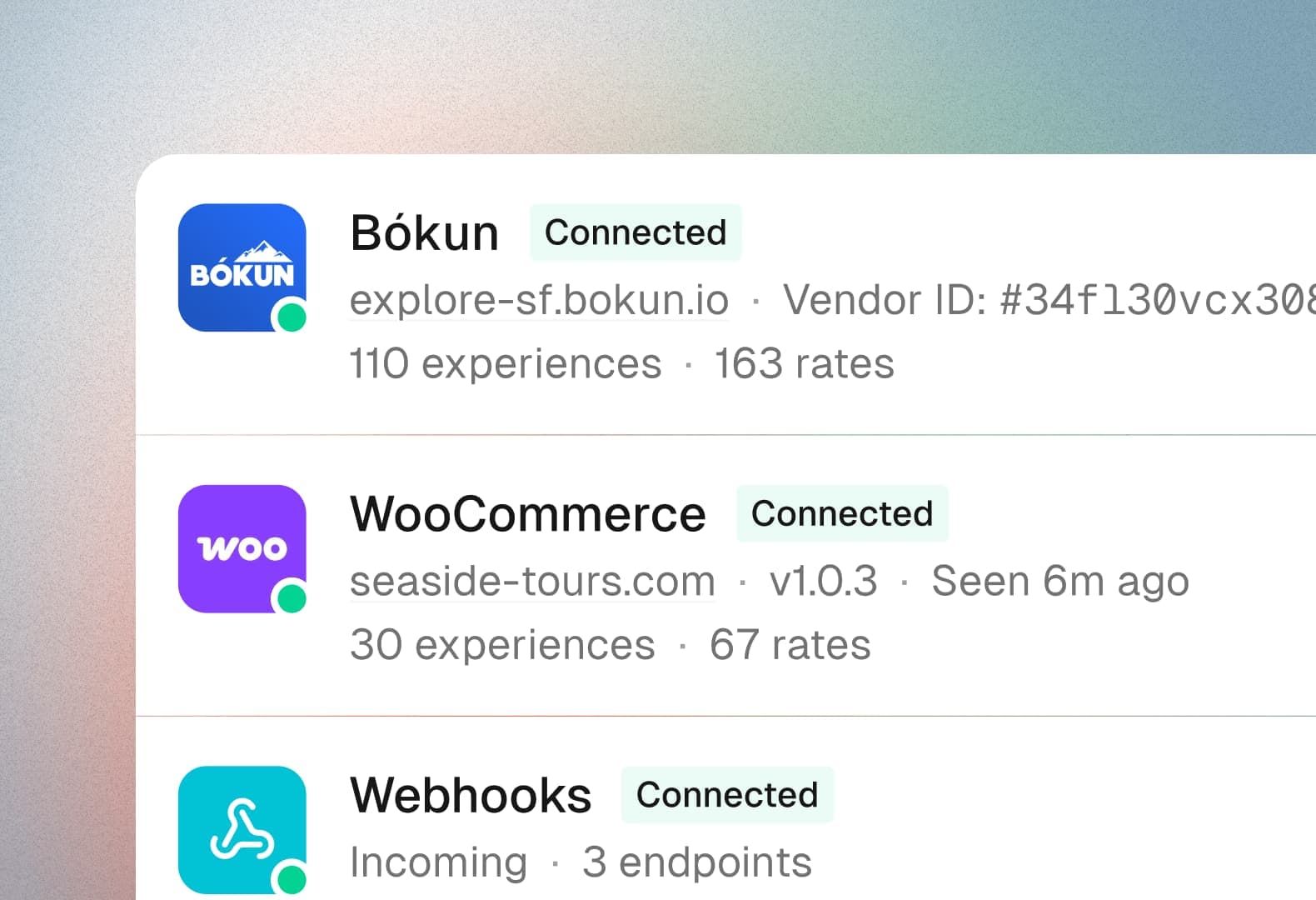
Helm is tour operations software — scheduling, OTA sync, and team coordination in one platform.
20M+
International visitors to Japan annually
JNTO 2025
280+
Train stations in greater Tokyo
95%
Of Tokyo tours require bilingual (JP/EN) guides
Bilingual guide matching
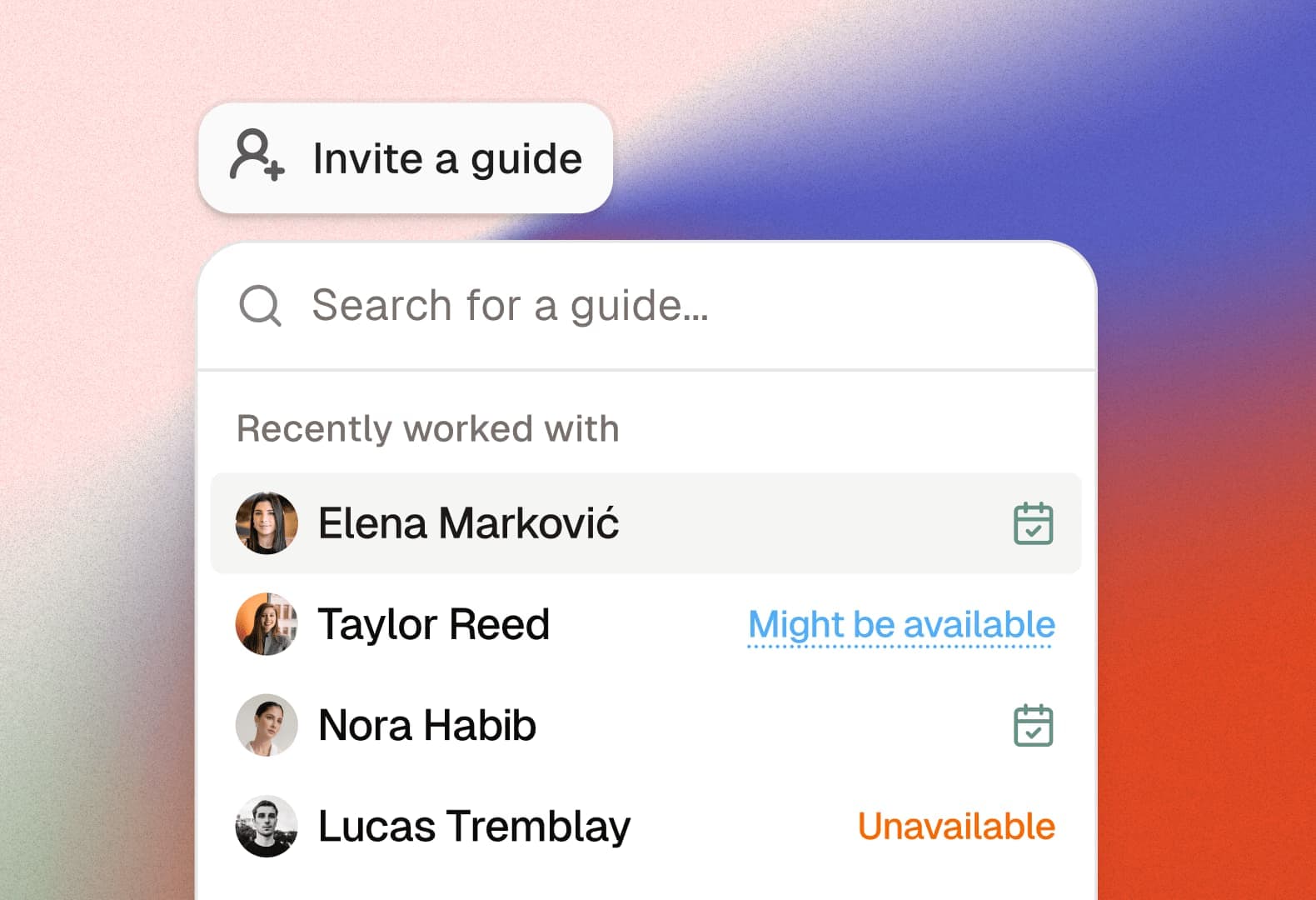
Nearly all Tokyo tours need guides fluent in both Japanese and the guest's language. Helm matches guides based on verified language proficiency, cultural training, and the specific requirements of each tour type.
Transit-integrated scheduling
Tokyo's rail network is vast and precise but bewilderingly complex. Helm helps you build tour schedules around real transit connections, accounting for train frequency, transfer times, and first/last train constraints.
Cultural etiquette compliance
Shrine visits, tea ceremonies, and ryokan experiences have specific etiquette requirements. Helm lets you attach cultural briefing materials to tour assignments so guides deliver consistently respectful experiences.
Tour volume
Tokyo anchors Japan's booming inbound tourism market, which surpassed 20 million international visitors in 2025 — with Tokyo as the primary entry point and tour hub.
Popular tour types
- Tsukiji outer market and Asakusa food walking tours
- Shibuya, Harajuku, and Akihabara pop-culture experiences
- Traditional tea ceremony and shrine-visit cultural tours
- Mount Fuji and Hakone day trips from Tokyo
Operational challenges
- Finding and scheduling guides with verified bilingual fluency (Japanese plus guest language)
- Planning tour logistics around Tokyo's 280+ station rail network
- Ensuring cultural etiquette compliance at shrines, temples, and traditional experiences
- Managing the extreme seasonality of cherry blossom and autumn foliage peak periods
Running tour operations in Tokyo
Tokyo's tour market has exploded alongside Japan's post-pandemic tourism surge. International visitor numbers have climbed past 20 million, and Tokyo is the gateway. But operating tours here requires navigating challenges that are genuinely unique — starting with the language barrier.
Bilingual guides are the lifeblood of Tokyo tour operations. Guests need a guide who can communicate fluently in their language while also navigating Japanese-speaking venues, transit staff, and restaurant owners. Finding and scheduling these guides — especially during cherry blossom season when demand surges 200-300% — is a constant challenge. Helm's qualification engine matches guides based on verified language skills and availability.
Tokyo's transit system is the most complex in the world. Over 280 stations, 13 subway lines, multiple JR lines, and dozens of private railways create a web that even locals find confusing. Tour schedules must account for precise connections, platform transfer times, and last-train cutoffs for evening experiences. Helm builds transit realities into your scheduling so tours run on time.
Cultural sensitivity is non-negotiable. Guests visiting Meiji Shrine, participating in a tea ceremony, or dining at a traditional ryokan need proper briefings on etiquette. Helm lets you attach cultural briefing materials to tour assignments, so every guide delivers a respectful and informed experience regardless of how new they are to your team.
Stop managing your tours from a spreadsheet and a group chat—there's a better way.






Helm replaces the patchwork of tools tour operators rely on with one purpose-built platform for everything that happens after a booking.
Try Helm for free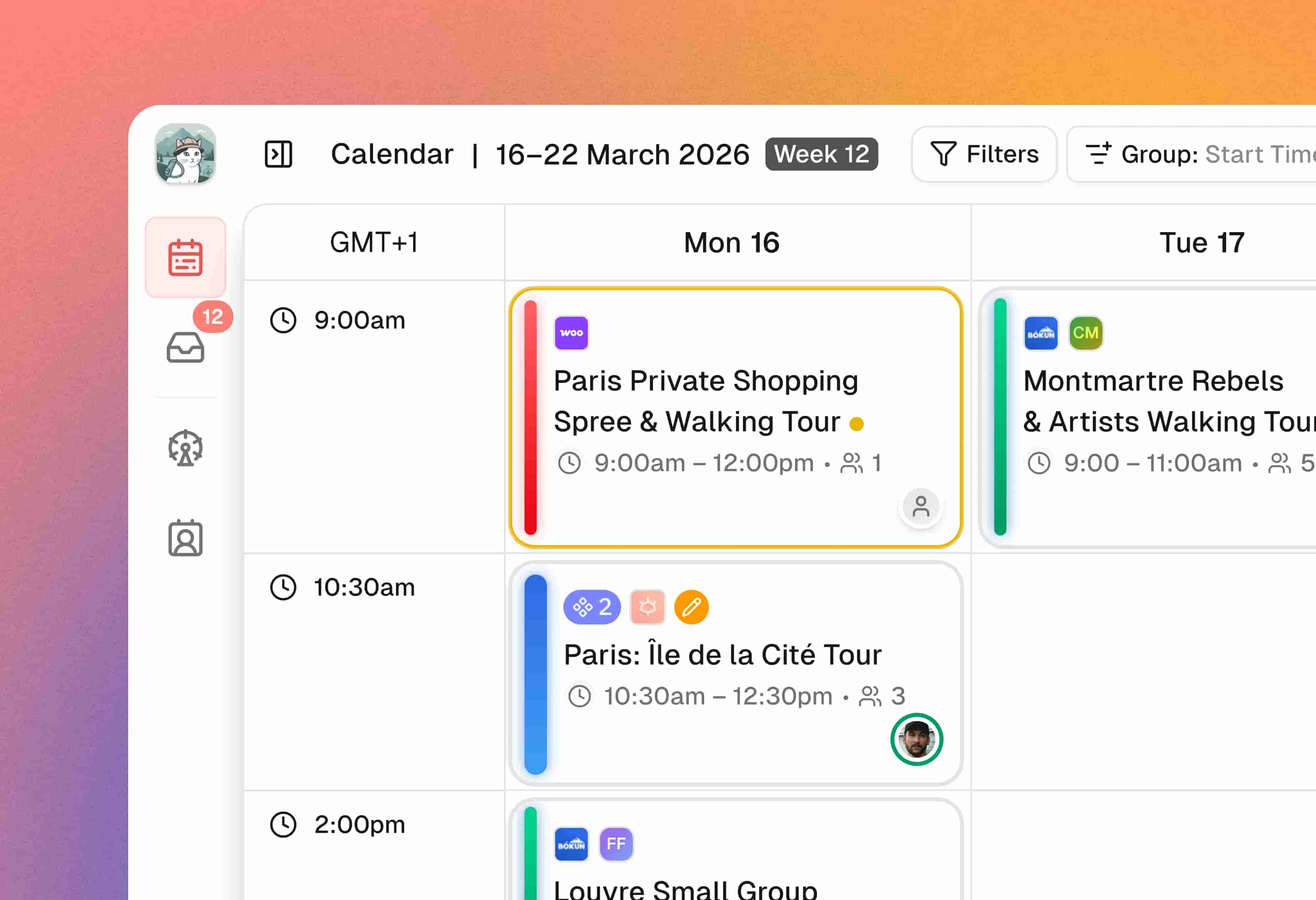
Frequently asked questions
Ready to replace the patchwork?
Start for free with 2 team seats. No credit card required.