Safari operations management for tour companies
Safari tours span multiple days, vehicles, and ecosystems. Helm coordinates your guides, drivers, and itineraries so every game drive runs on schedule.
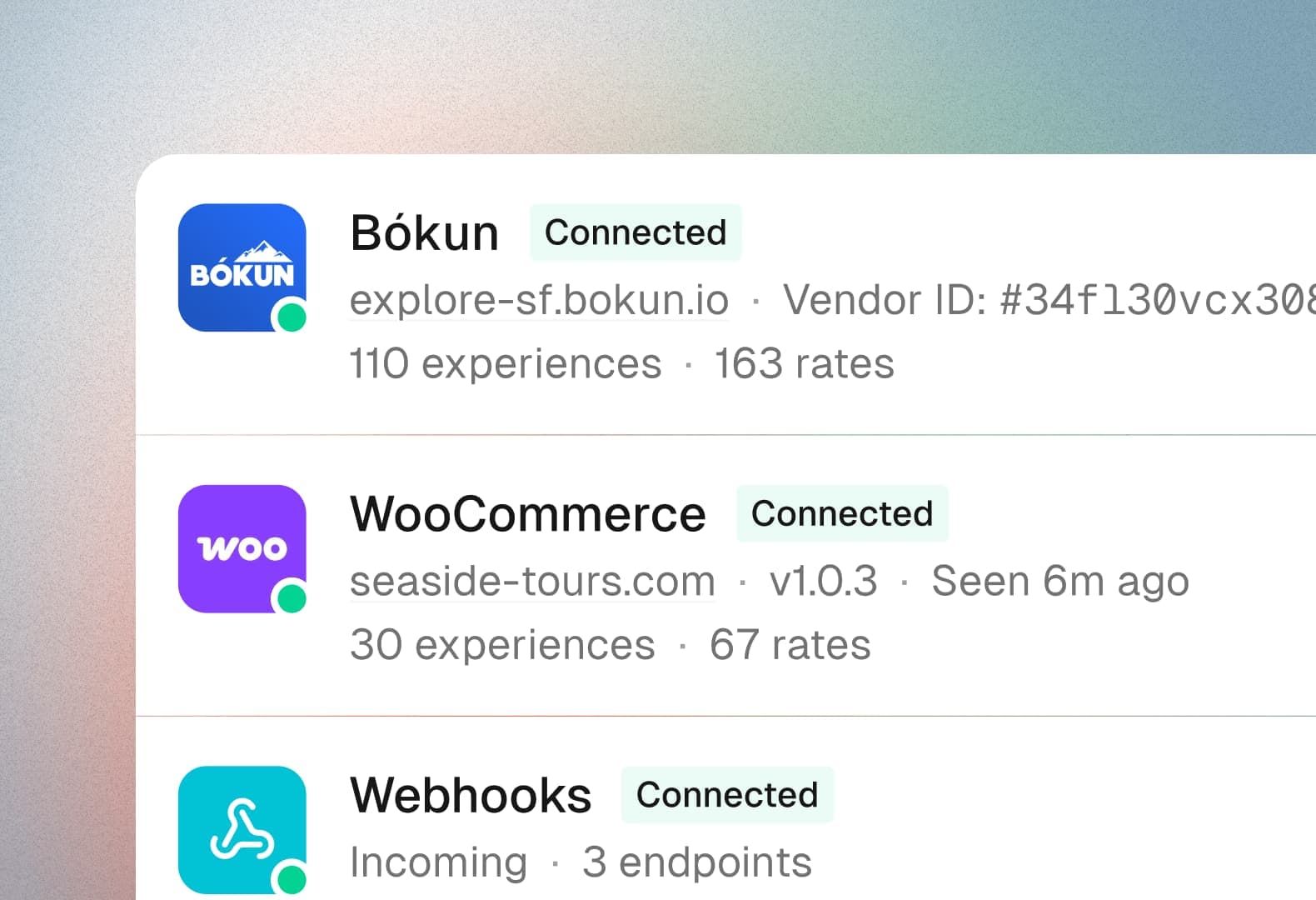
Helm is tour operations software — scheduling, OTA sync, and team coordination in one platform.
$12.4B
global safari and wildlife tourism market
Allied Market Research
3-7
days per typical safari itinerary
2-3
crew members per vehicle — guide, driver, and spotter
Multi-day itinerary scheduling
Safaris span days or weeks across multiple camps and reserves. Helm tracks the full itinerary so every game drive, transfer, and camp night is staffed and coordinated.
Vehicle + crew coordination
Each game drive needs a vehicle, driver, and guide — sometimes a spotter too. Helm manages multi-role assignments per departure across your fleet.
Seasonal pattern management
Migration seasons, dry seasons, and green seasons drive different demand patterns. Helm helps you scale staffing to match seasonal booking volumes.
Common challenges
- Multi-day itineraries with transfers between camps, lodges, and reserves
- Multi-crew vehicle assignments: guide, driver, tracker/spotter per game drive
- Seasonal migration patterns driving extreme demand fluctuations
- Remote location operations with limited communication infrastructure
- Wildlife knowledge and regional specialization requirements for guides
How Helm helps
- Multi-day calendar views showing all assignments across the full safari itinerary
- Multi-role crew scheduling per vehicle and game drive departure
- Seasonal scheduling flexibility to scale up and down with demand patterns
- Advance scheduling that doesn't depend on real-time connectivity during safaris
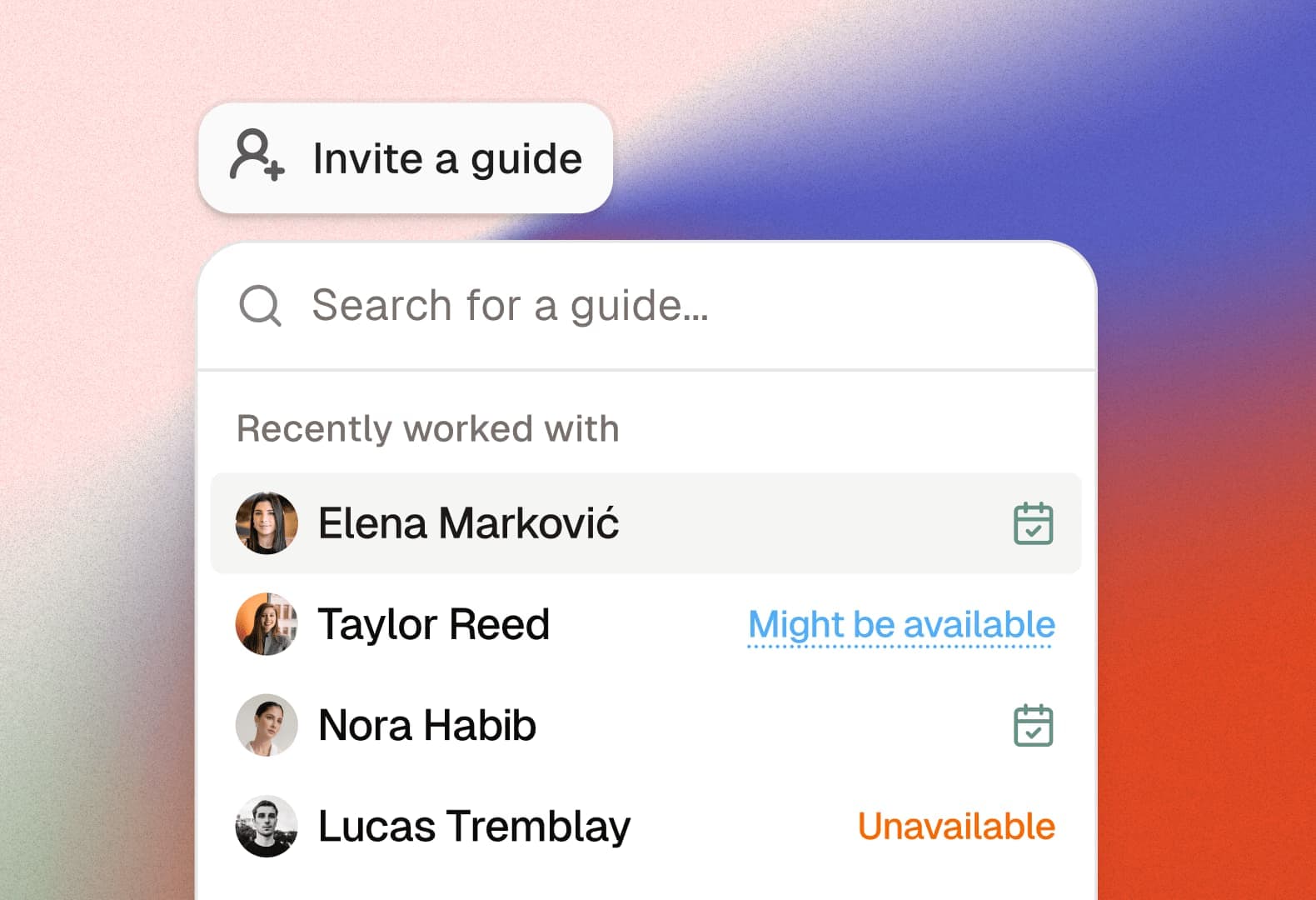
- Guide profiles with regional knowledge, species expertise, and language qualifications
Why safari operations are the ultimate scheduling challenge
Safari tours are among the most operationally complex experiences in the tourism industry. A typical 5-day safari involves morning and afternoon game drives, camp transfers, multi-crew vehicle assignments, and coordination with lodges and reserves — all in remote locations with limited connectivity. The scheduling is three-dimensional: time, location, and personnel across multiple days.
Each game drive needs a specific crew composition. In East Africa, you might need a driver, a guide, and a spotter — three people per vehicle, each with different skills. The guide needs wildlife knowledge and language skills for the client group. The driver knows the terrain and the vehicle. The spotter reads animal behavior and tracks movement. Scheduling the right trio for each drive is critical to the experience.
Seasonality in safari tourism is driven by wildlife migration patterns, not just holidays. The Great Migration in the Serengeti creates a surge that requires double or triple the normal crew. In the green season, you're running smaller groups with reduced staff. Helm helps you plan for these patterns with visible scheduling across weeks and months.
Helm treats each day of the safari itinerary as a schedulable unit with its own crew assignments, vehicle allocations, and logistics notes. The full safari view shows the journey from start to finish — which guides are assigned to which days, where transfers happen, and where the handoffs occur. For safari operators, this visibility is the difference between a smooth journey and logistical chaos in the bush.
Stop managing your tours from a spreadsheet and a group chat—there's a better way.






Helm replaces the patchwork of tools tour operators rely on with one purpose-built platform for everything that happens after a booking.
Try Helm for free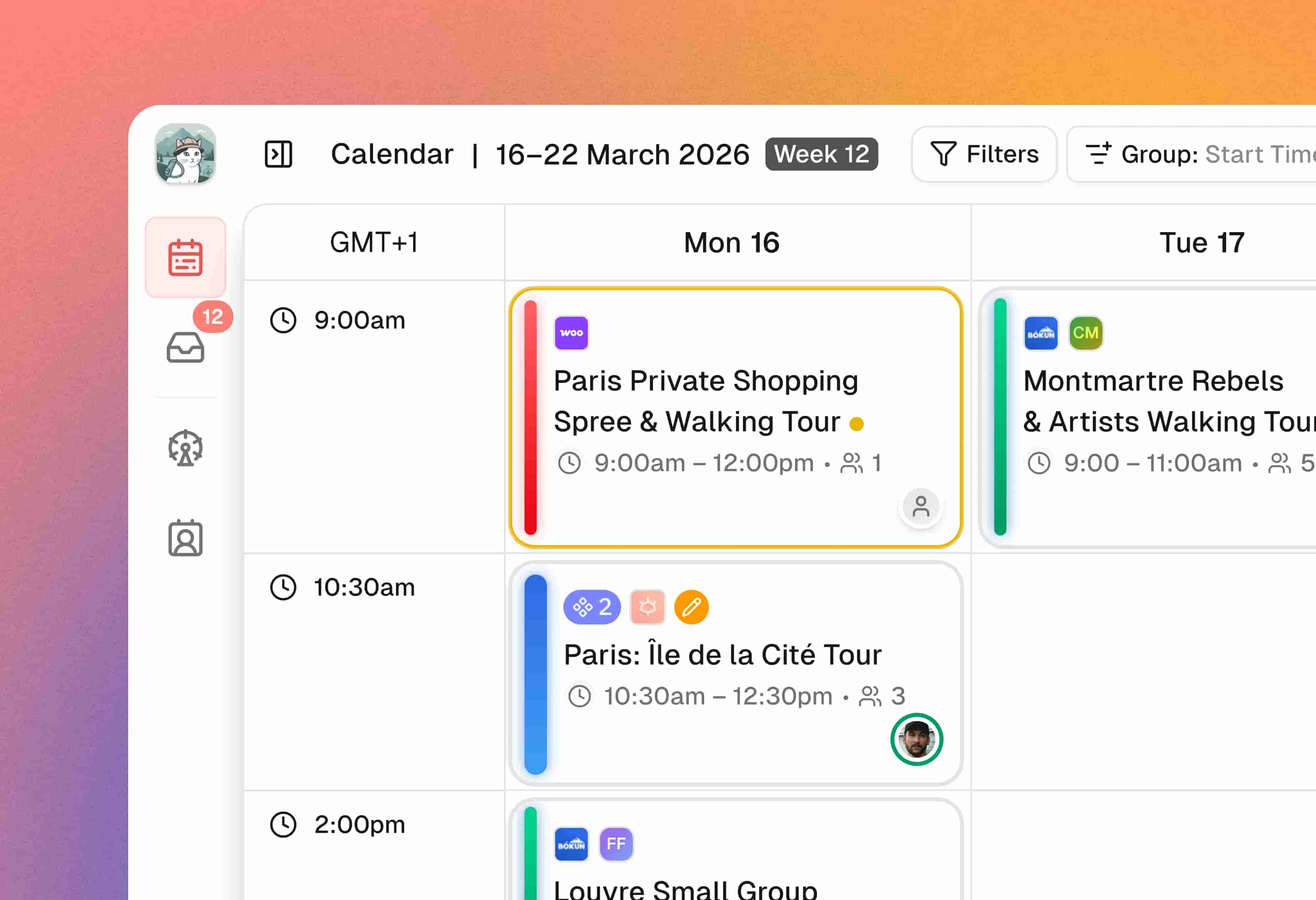
Frequently asked questions
Related pages
Ready to replace the patchwork?
Start for free with 2 team seats. No credit card required.